Typical Mexican breakfast recipe: Molletes

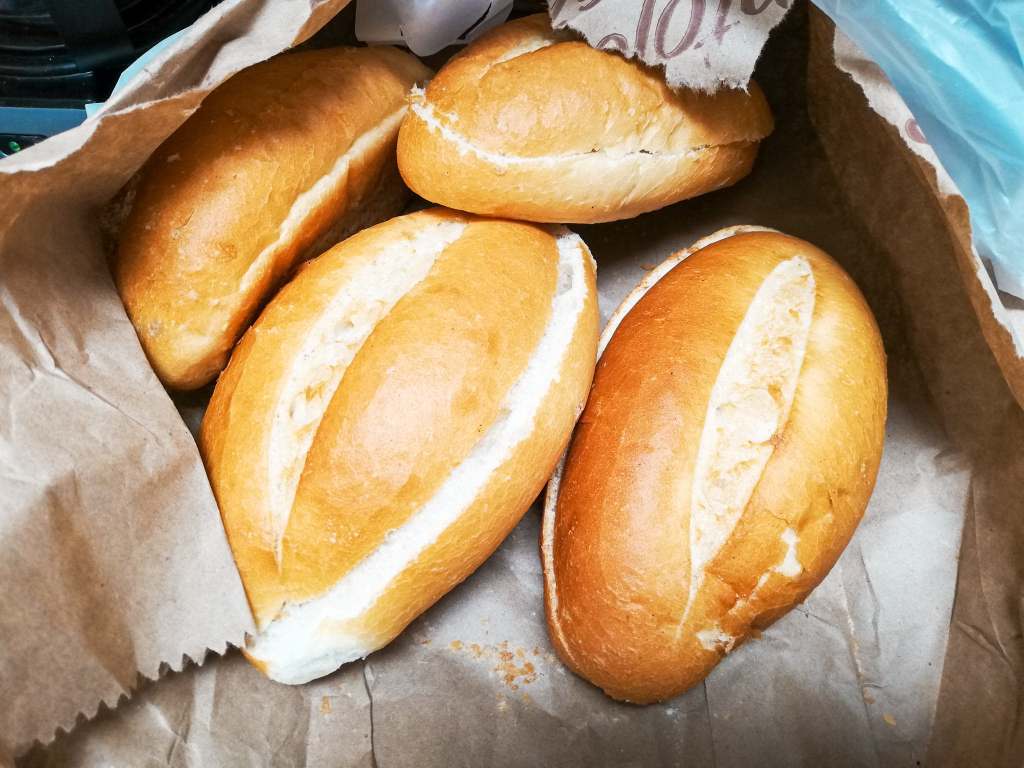
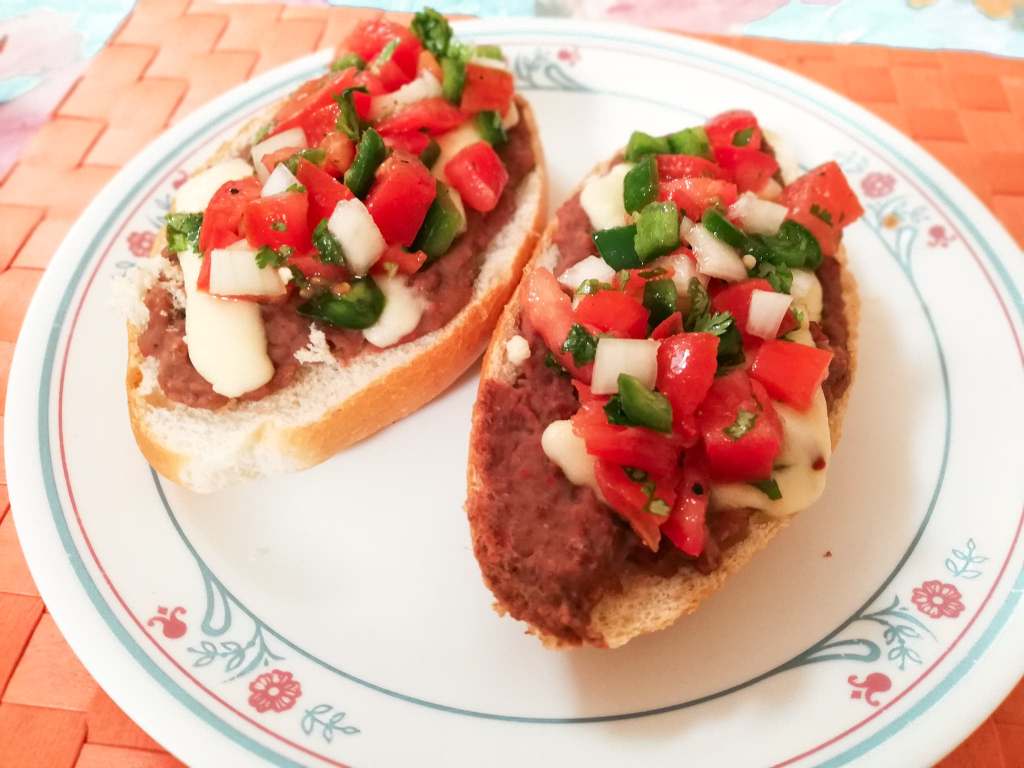
Molletes is a typical breakfast meal in Mexico, especially along students because it’s very cheap, quick and easy to make. Normally molletes are made of bolillo rolls (white Mexican bread rolls), refried beans, cheese, and pico de gallo. Additionally chorizo or bacon can be added on the top. Among students, it’s more common to stick on the original molletes recipe. But, if you feel like you’re craving some meat and want to add some chorizo or bacon on the top, feel free to do so. I’m going to share with you the recipe of molletes like they are originally made. So, let’s begin!
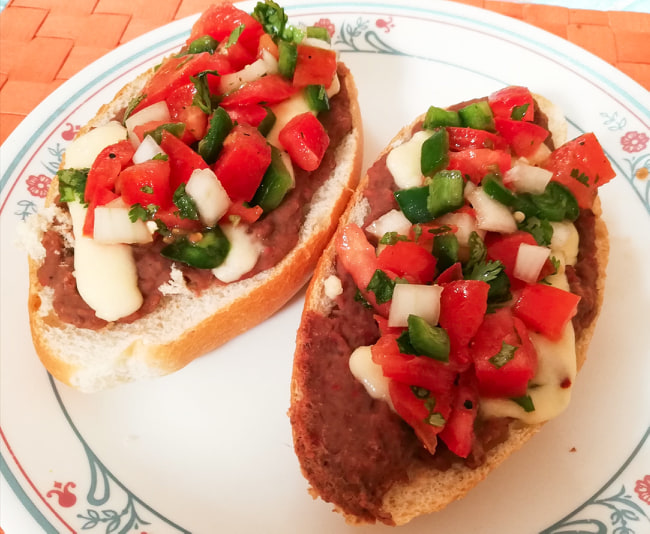
Molletes (makes 8 molletes):
4 bolillo rolls (or similar)
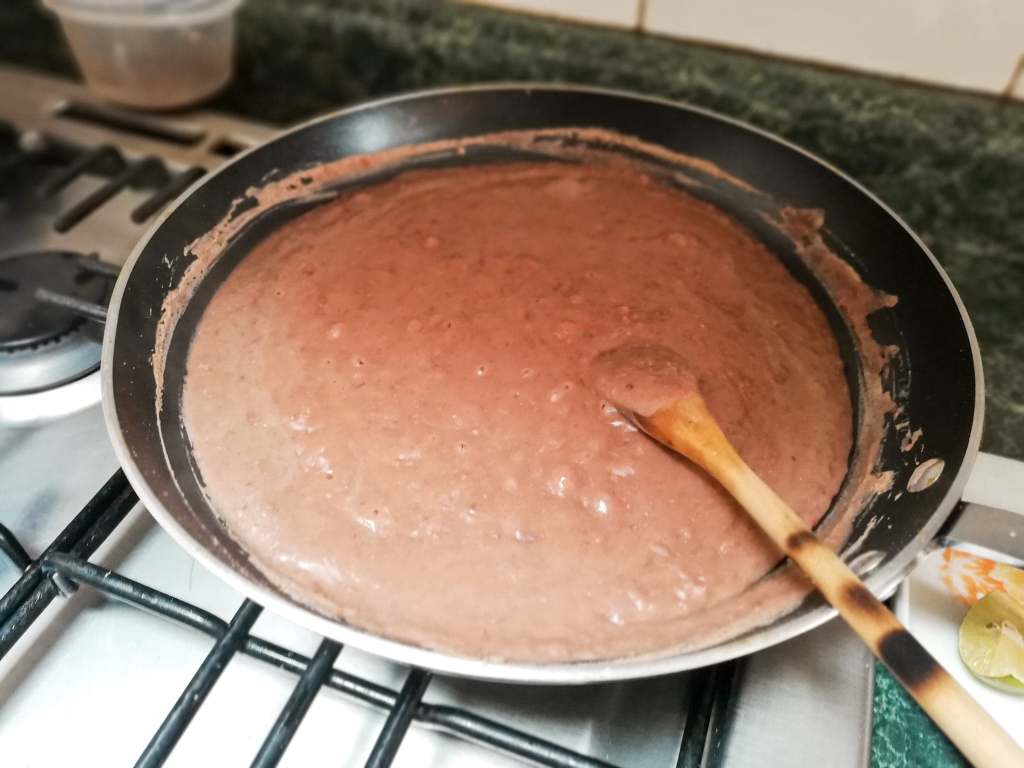
1 can of refried beans (or can of black beans)
Cheese
1 tbsp oil
Pico de gallo

Pico de gallo:
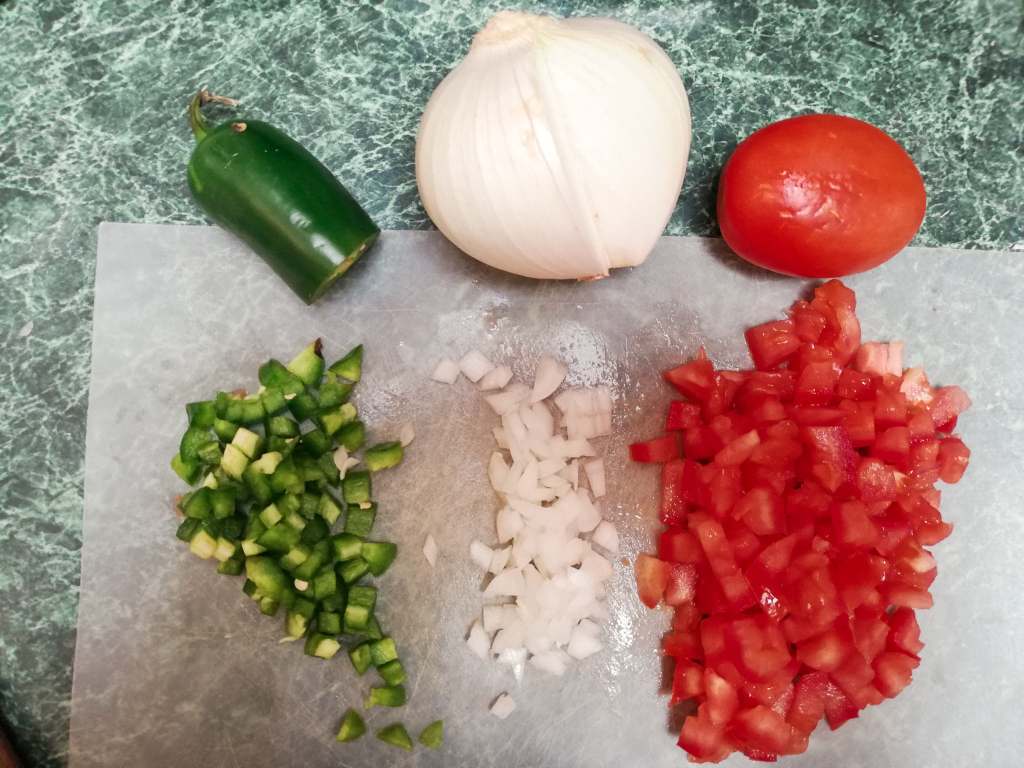
1 half of an onion
1 green chili pepper
1 tomato
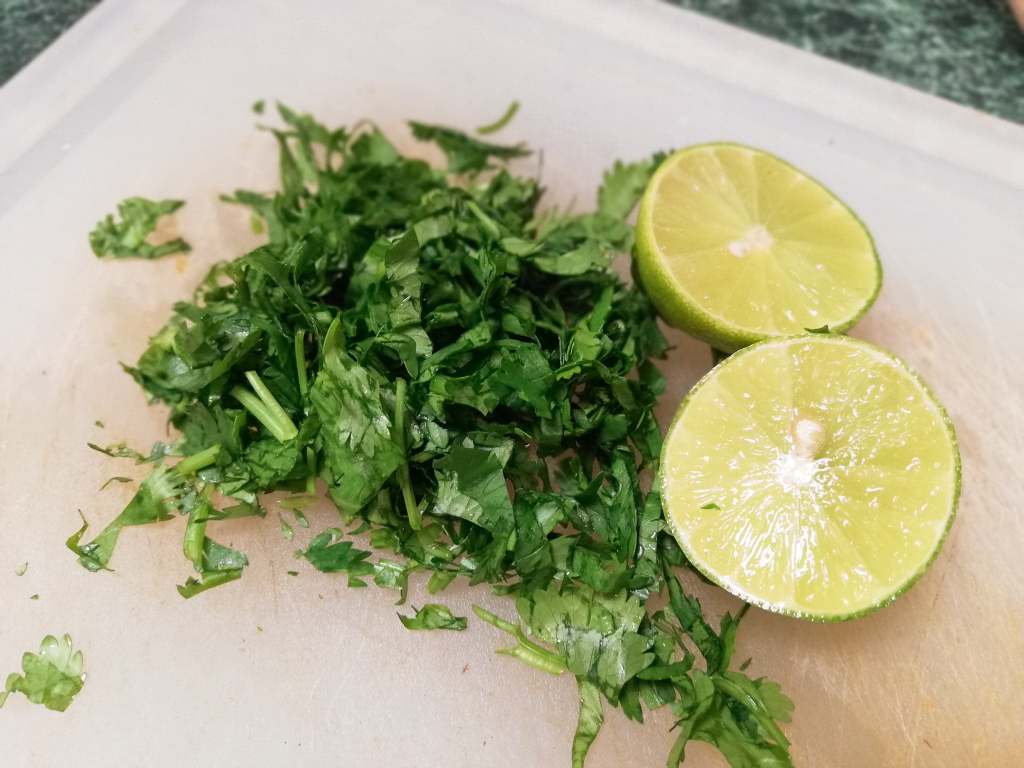
Fresh coriander
1 lime
pinch of salt
pinch of pepper
few drops of olive oil

How to prepare Molletes:

  1. Start with preheating the oven to 200C. Prepare an oven tray with baking paper.
  2. Put 1tbsp of oil on the pan (to prevent burning the beans) and add the refried beans into it. If you’re using canned black beans, smash the beans before adding them into the pan. Heat it up.
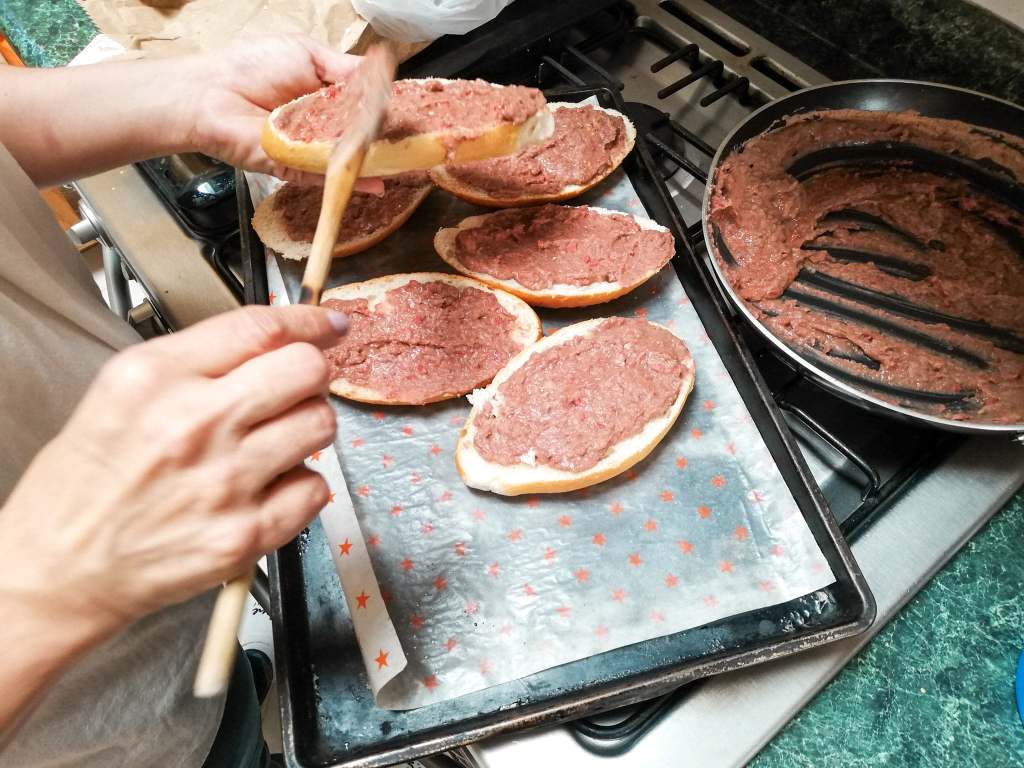
  3. Cut the bolillo rolls (or similar) in half.
  4. Spread some of the heated beans on the halves of the bread rolls.
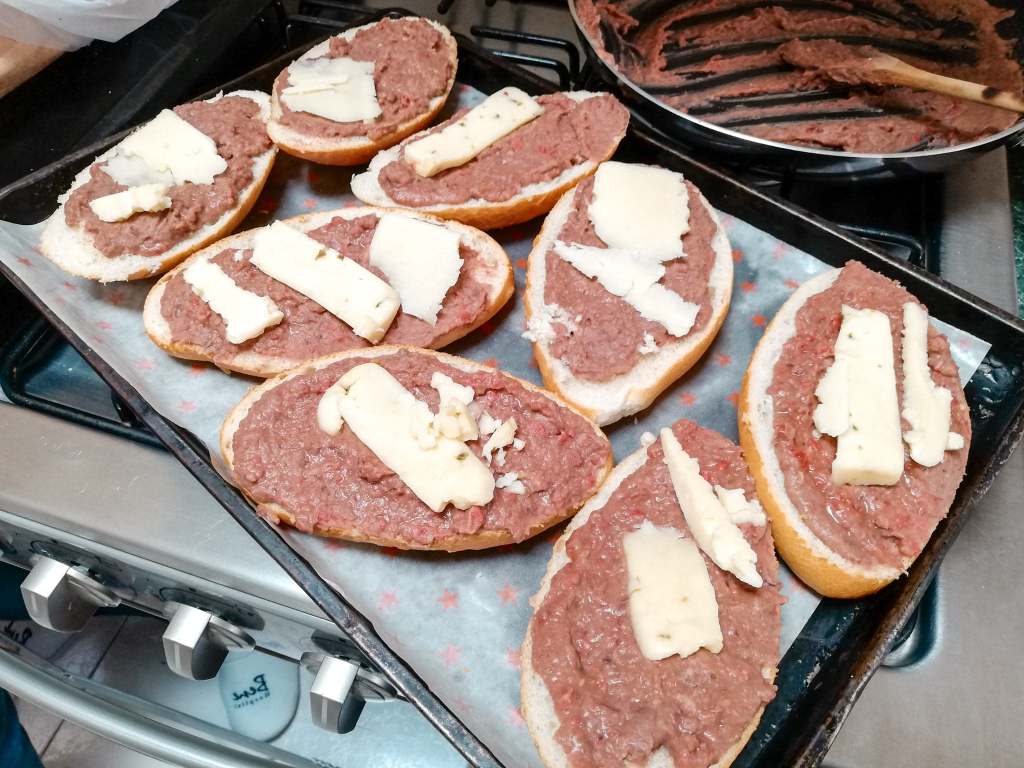
  5. Cut some cheese and add on top of the beans on the bread.
  6. Put the filled bread rolls in the oven and let them cook until the cheese is melted and the bread is crispy, around 10-15 minutes.
  7. Serve with pico de gallo.

How to prepare pico de gallo:

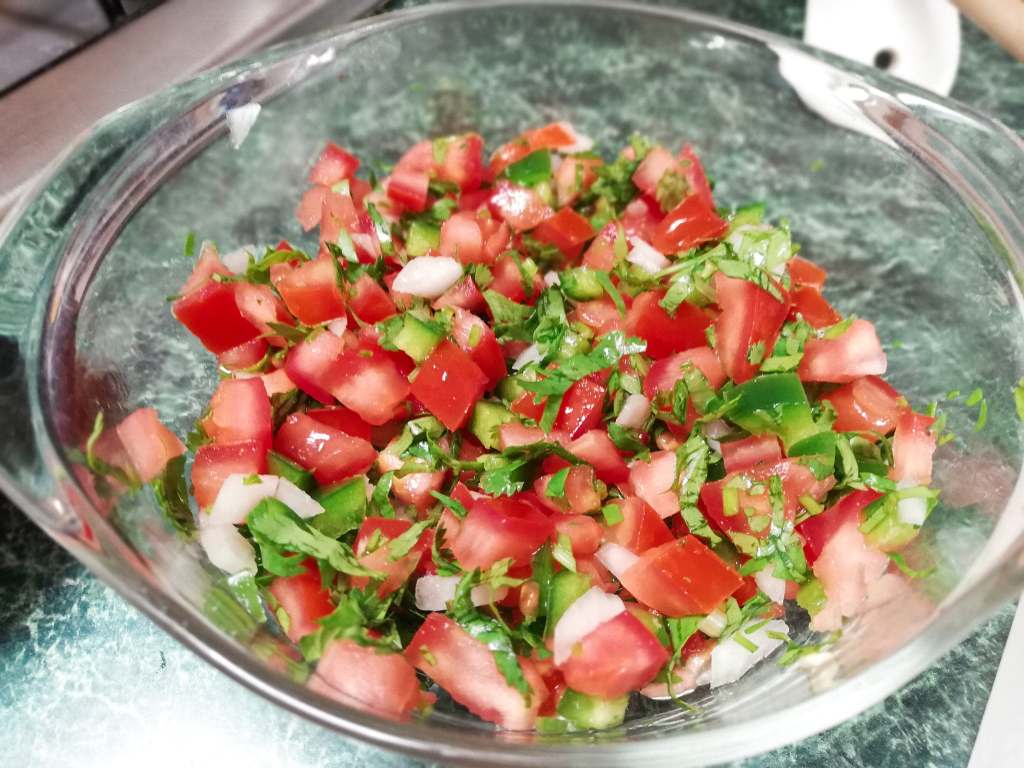
  1. Cut the half of an onion, green chili pepper and tomato into small cubes. Put them into a bowl.
  2. Cut the fresh coriander into smaller pieces. Add them into the bowl and mix.
  3. Squeeze some lime juice in the mixture.
  4. Add salt, pepper and few drops of olive oil. Mix all together.
  5. Put the pico de gallo on top of the crispy molletes breads.
  6. Enjoy!
The ingredients in pico de gallo have the colors of the Mexican flag

Enjoy the molletes, they are best to eat warm with the fresh pico de gallo on the top.

I hope you enjoyed this recipe and want to try it yourself. I wanted to share with you a recipe that is a bit different from the normal Mexican food when corn is the main ingredient but is still very commonly eaten in Mexico. Molletes are also easy to make in other countries as you just need white bread rolls, beans, cheese, and the ingredients to make pico de gallo as onion, tomato, green chili pepper, coriander, and lime. Simple ingredients that can be found in every country.

Let me know in the comment box if you decide to try this recipe. And how you like it! I always love reading your comments so if you have any questions, thoughts, or any feedback, just write me. 🙂

Love, Emilia
Specialties in Mexican grocery stores

I find it interesting to walk around in grocery stores in different countries and see the different products and specialties each country has. I think with just going into a grocery store abroad you can already see what the food culture is like in that country. It’s also fun to try to think and guess which ingredients are used in each dish that is special to that country. In this post, I want to point out a few of the common things you can find in a Mexican grocery store but are not as common in my home country, Finland.

CHILI

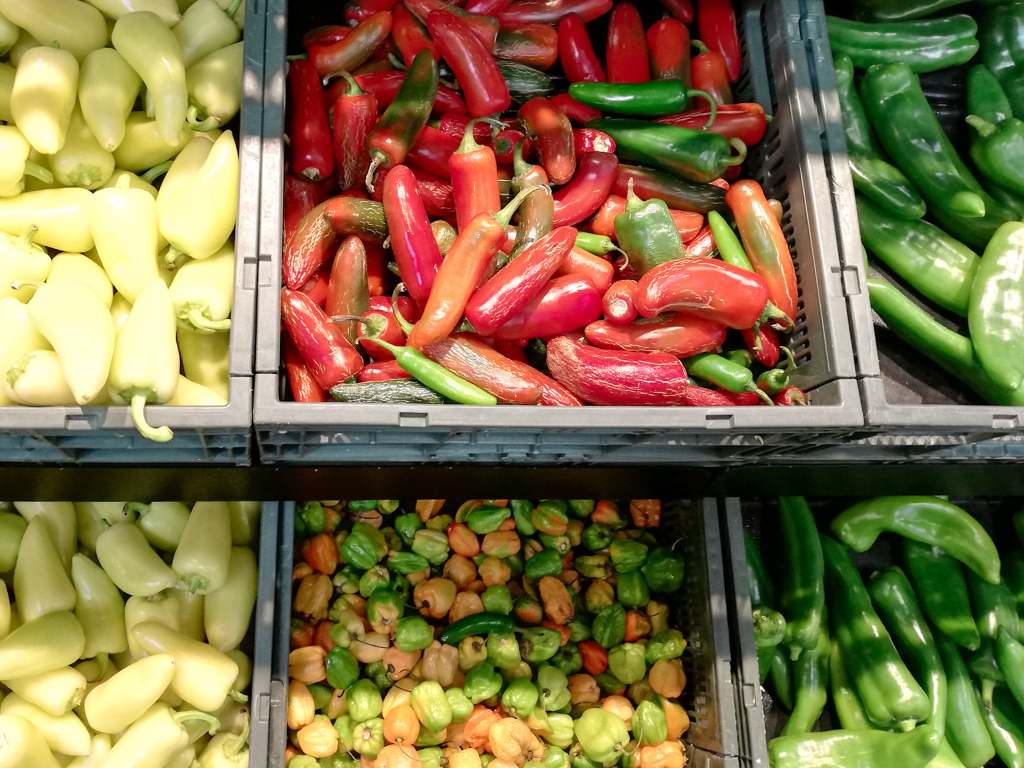
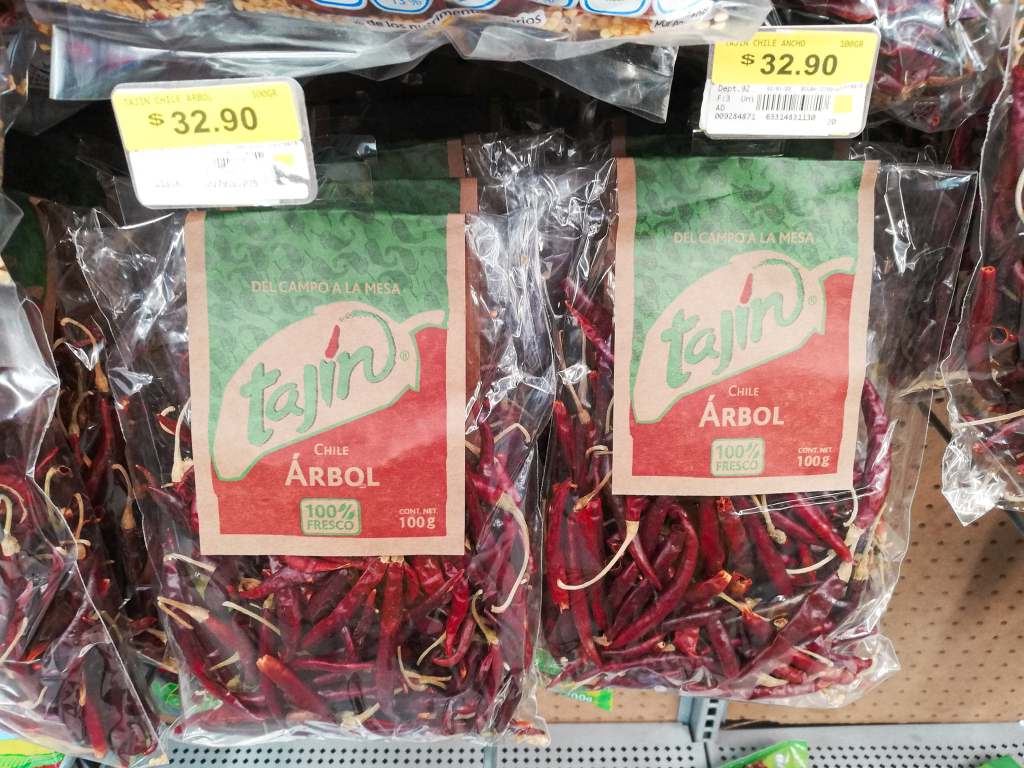
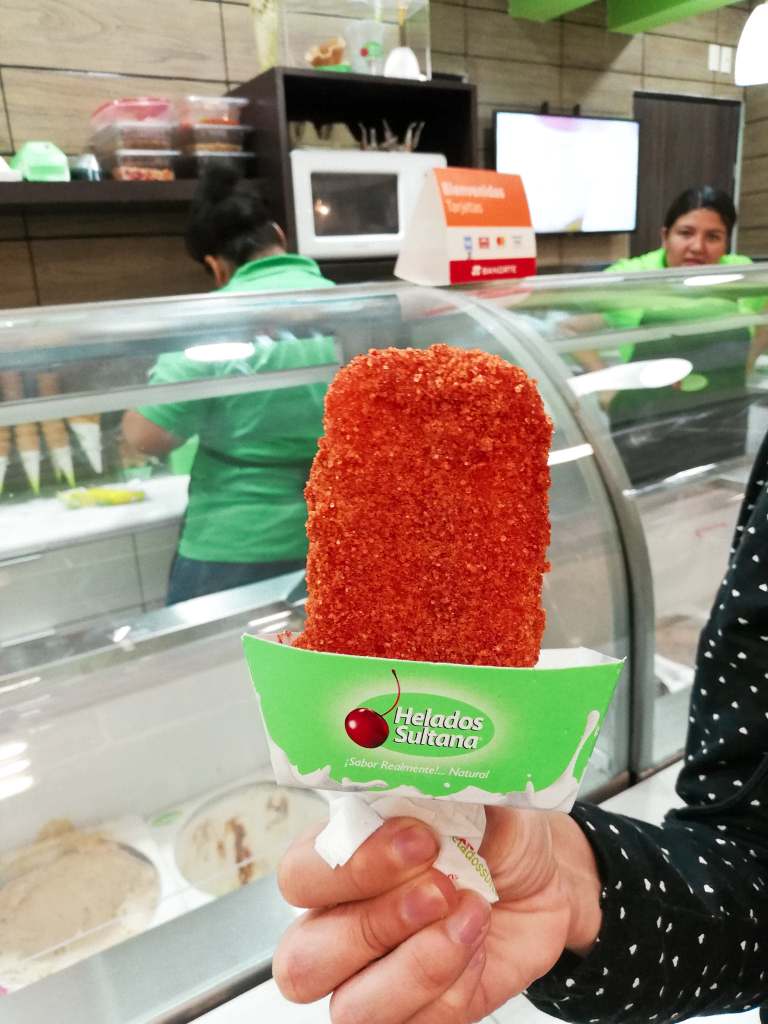
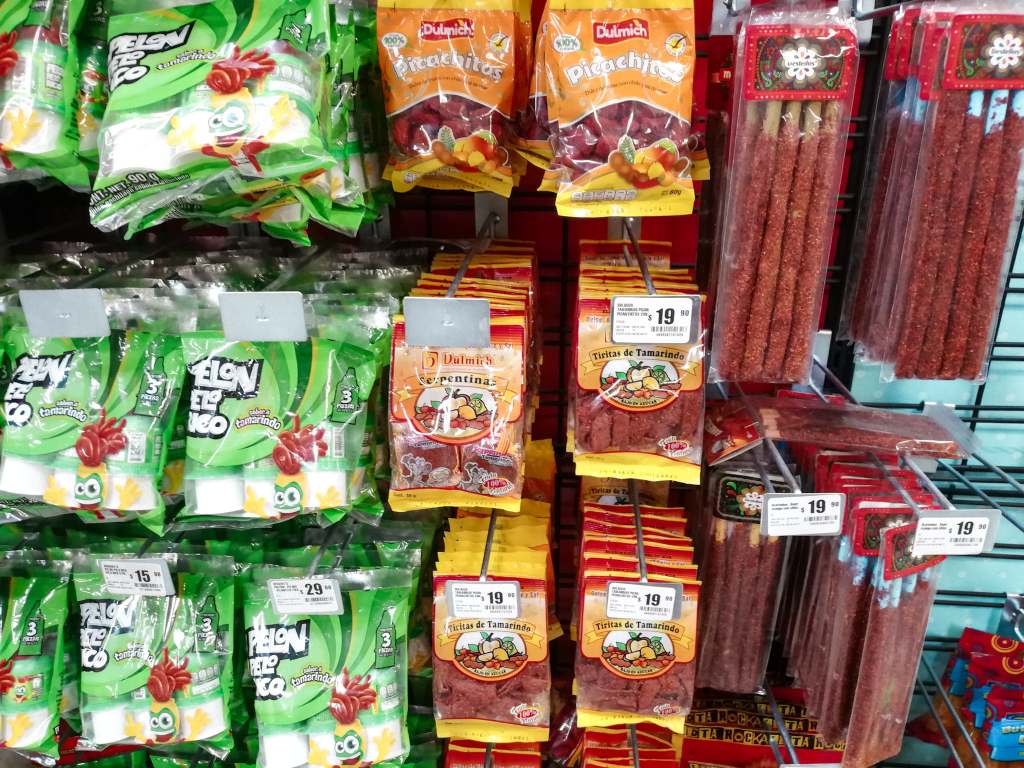
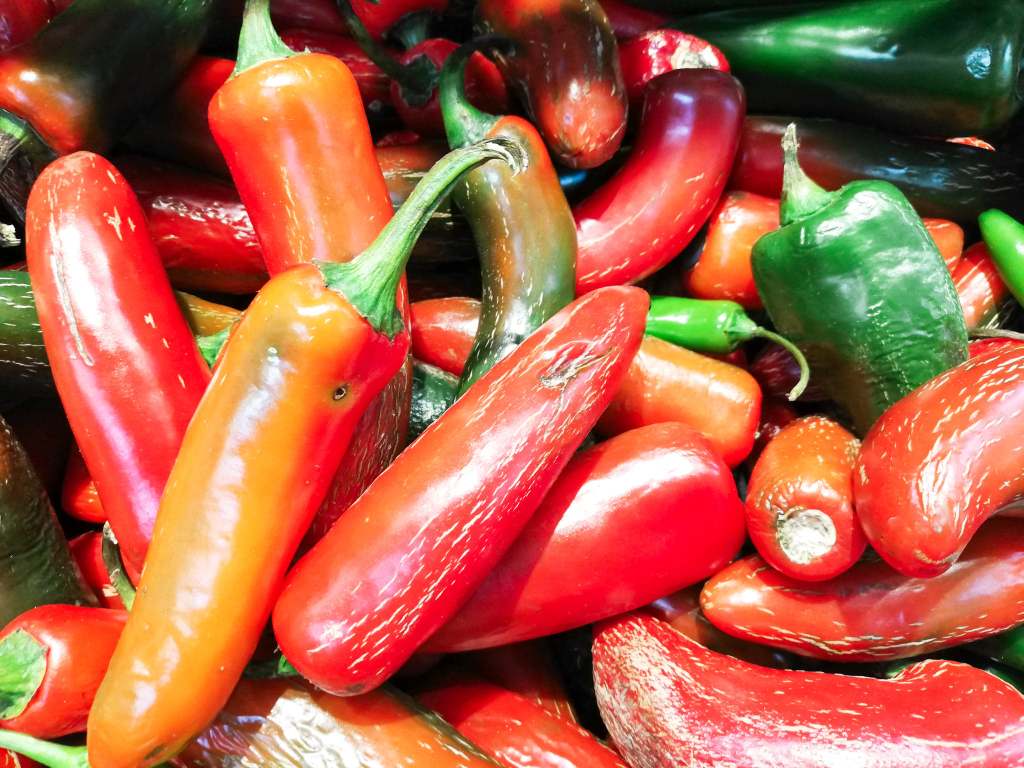
In Mexico, one of the most used ingredients is chili. You can buy it in many different ways as fresh, dried, powder… and it’s used in many different products. Even though before going to Mexico, I knew that the food is going to be spicy and chili will be a common ingredient, but I had no idea how much and which all products have chili. The products that most surprised me were candies and ice cream. Most of the candies in Mexico are spicy and they are made with chili. The first time I tried a special Mexican candy, I didn’t like it at all. I thought I was eating some kind of spicy sauce, not a candy. It wasn’t sweet at all, more like spicy and a bit sour I’d say. After telling my candy tasting experience to my host sister, she got upset because she loves the Mexican candies.

Different types of chilies
Dried chilies
Ice cream topped with chili flakes… yes, when I said they put chili everywhere, I meant it 😀

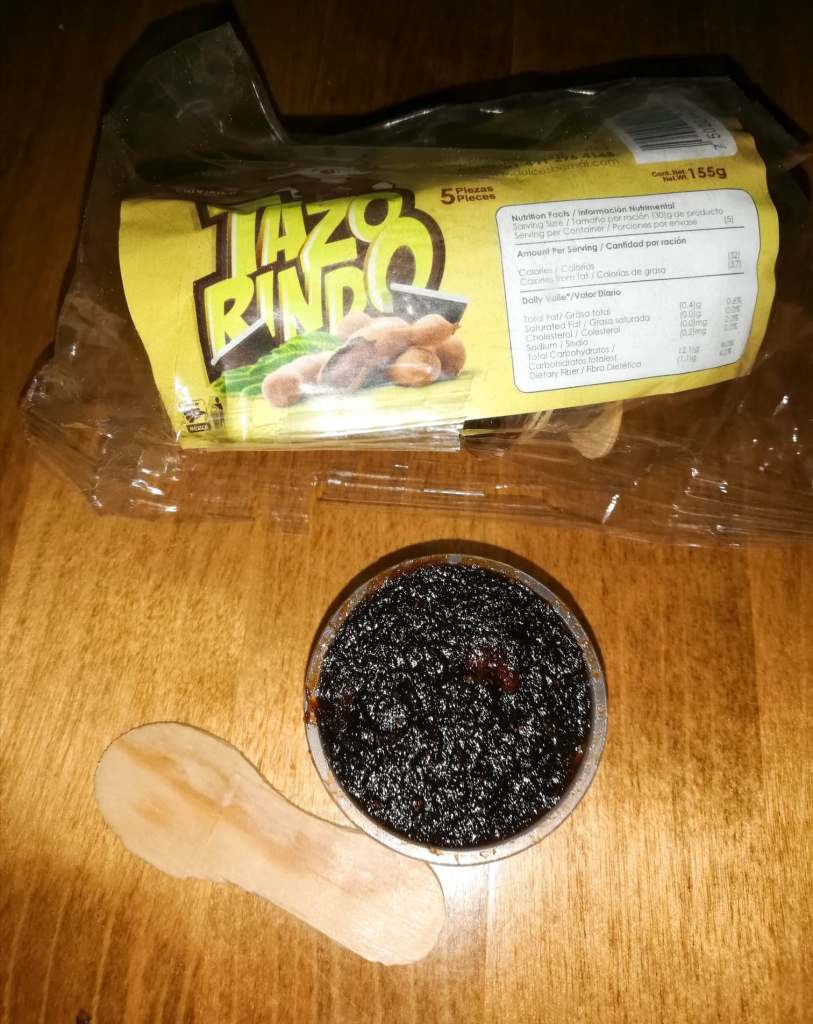
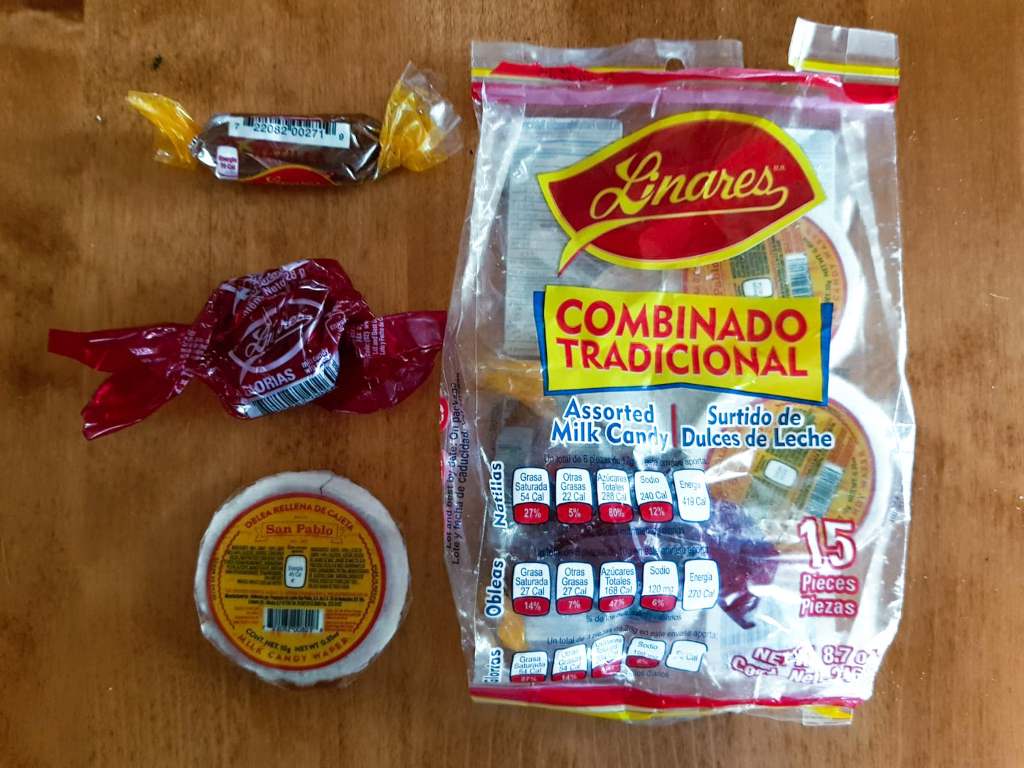
I also brought some Mexican candies as a souvenir to my family back in Finland to taste but they weren’t big fans either. The candy they liked the least was a candy made with tamarindo (very commonly used in Mexican candies) and chili. They said it was too spicy with a very strange taste. The other candies I brought them were candies with milk, they were a lot better. But a strange thing about one of those candies was that the caramel filling was inside of “church bread” or at least it tasted exactly the same as the one you get in church and gets stuck in your mouth. So, I have to say that the Mexican candies are a bit strange.

Mexican candies; made with fruits or tamarindo, chili and salt
Tamarindo candy with chili and salt. This is the one I mentioned earlier, that my family didn’t like. It has a strange taste – something between sour, sweet and spicy, but I like it.
Traditional Mexican milk candy selection. These are the other ones I brought to my family. The one which says “San Pablo” is the one that tastes like the “church bread”.

NOPAL

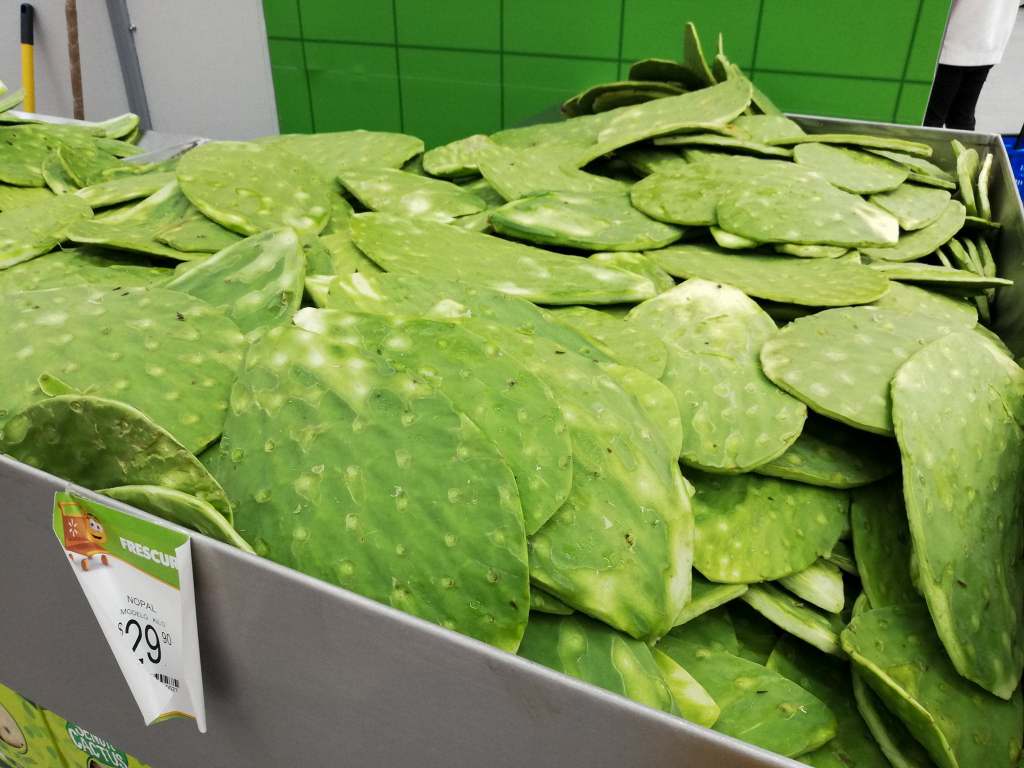
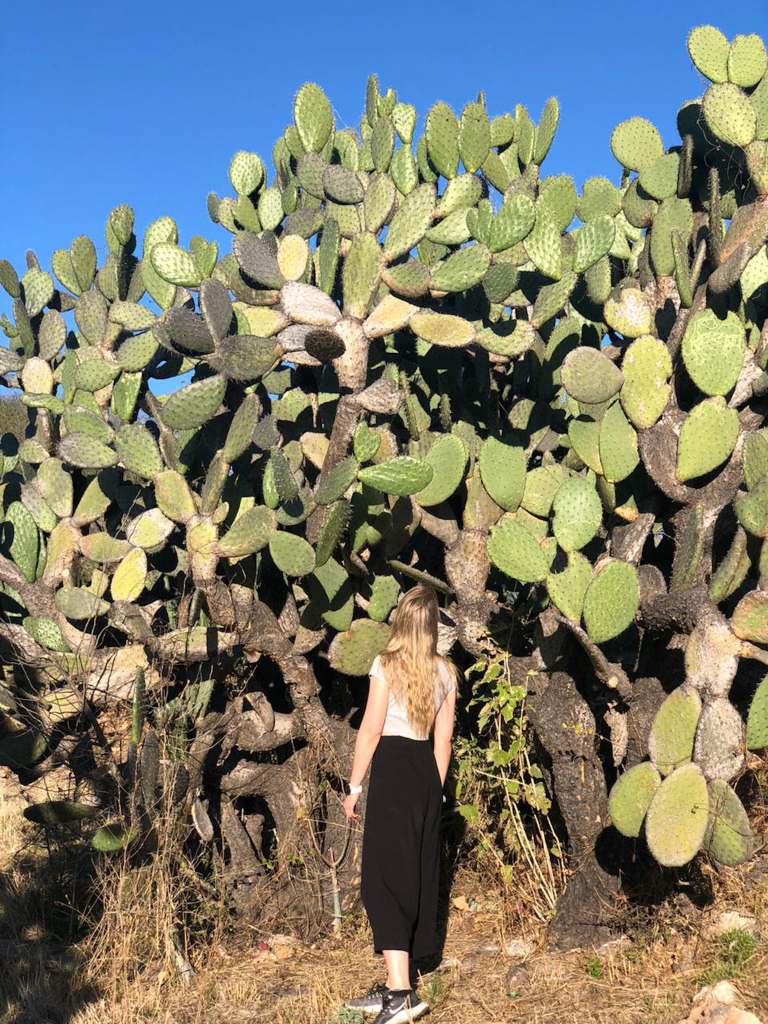
Cactus, as in Mexico more commonly known nopal, is often used in Mexican cooking. Before going to Mexico I didn’t know that cactus can be eatable. When I arrived in Mexico and sat on the bus for 3 and a half hours from Mexico City to Querétaro, I saw many cactus plantations. In the countryside, cactus was growing everywhere. First I thought, that it is just a common plant that adjusts well in the hot climate, but later on, I learned that it’s eatable. In the Mexican grocery store, you can find fresh, flat nopal pads. The nopal pads can be used for example to make a delicious cactus salad.

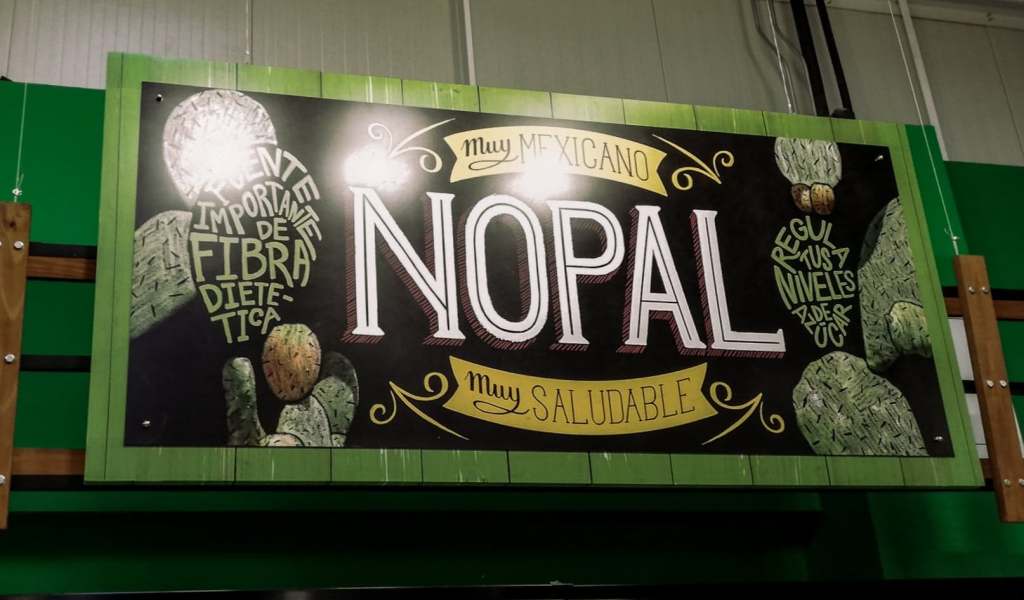
“Very Mexican – Nopal – very healhty”
Nopal pads
Cactus trees are huge. In this picture you can compare the size of the tree with me standing in front of the tree.

TOMATILLO

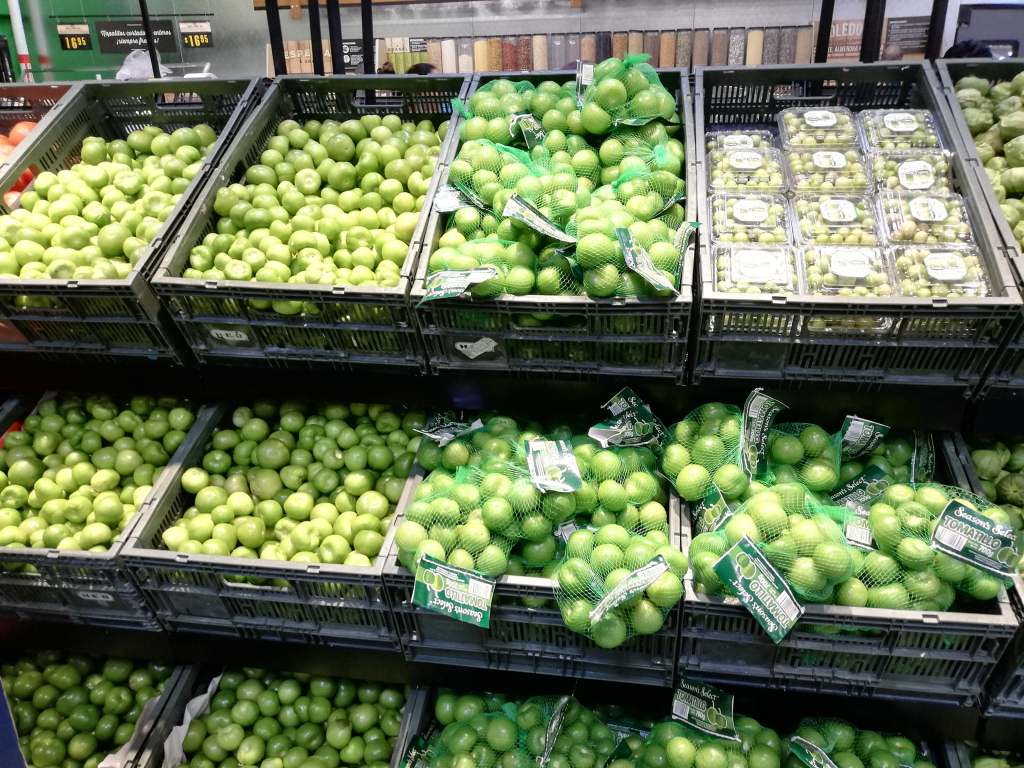
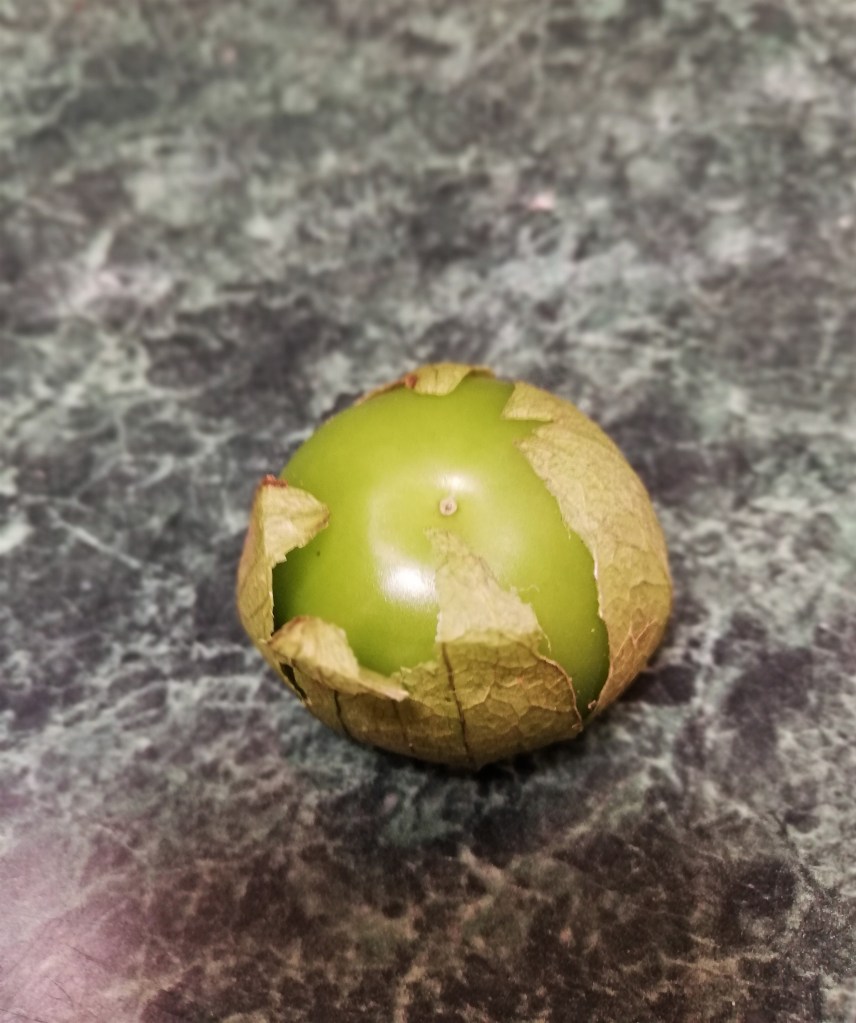
Tomatillos look like green tomatoes covered in a husk, but they are more closely related to gooseberries than they are to tomatoes. In Mexican cooking tomatillos are often used in salsa verde, giving the beautiful green color to the green sauces. The price of tomatillos is around 40 pesos for a kilo, which equals to ~2 euros per kilo.

Tomatillos at the grocery store
A tomatillo

CHICHARRONES

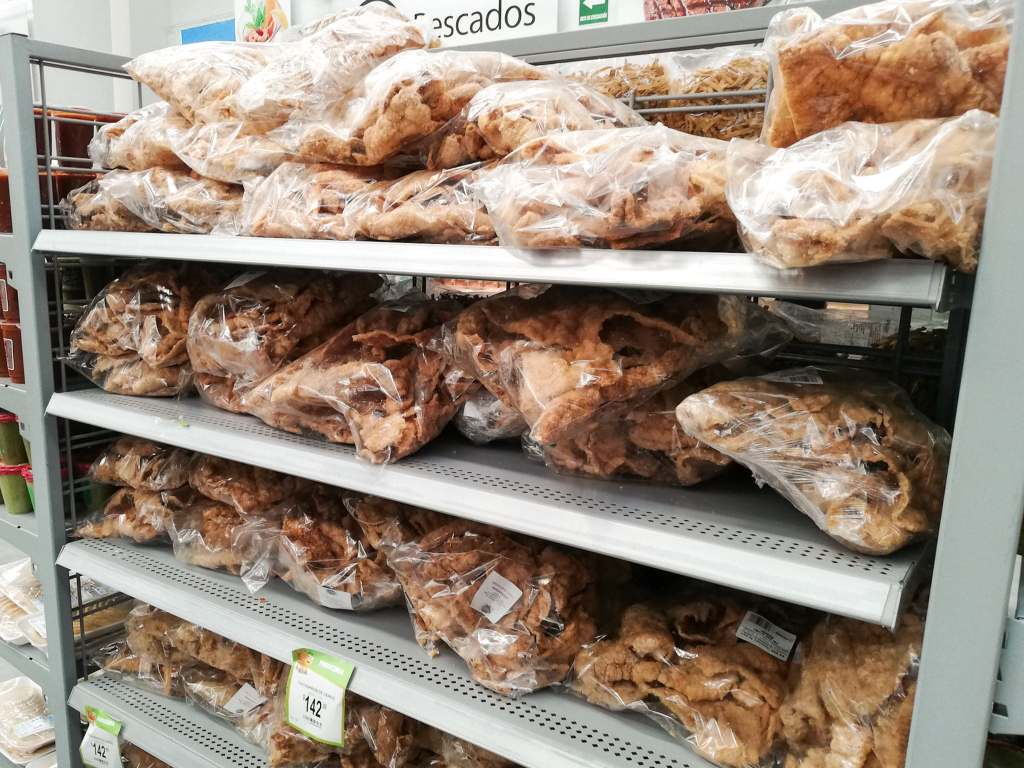
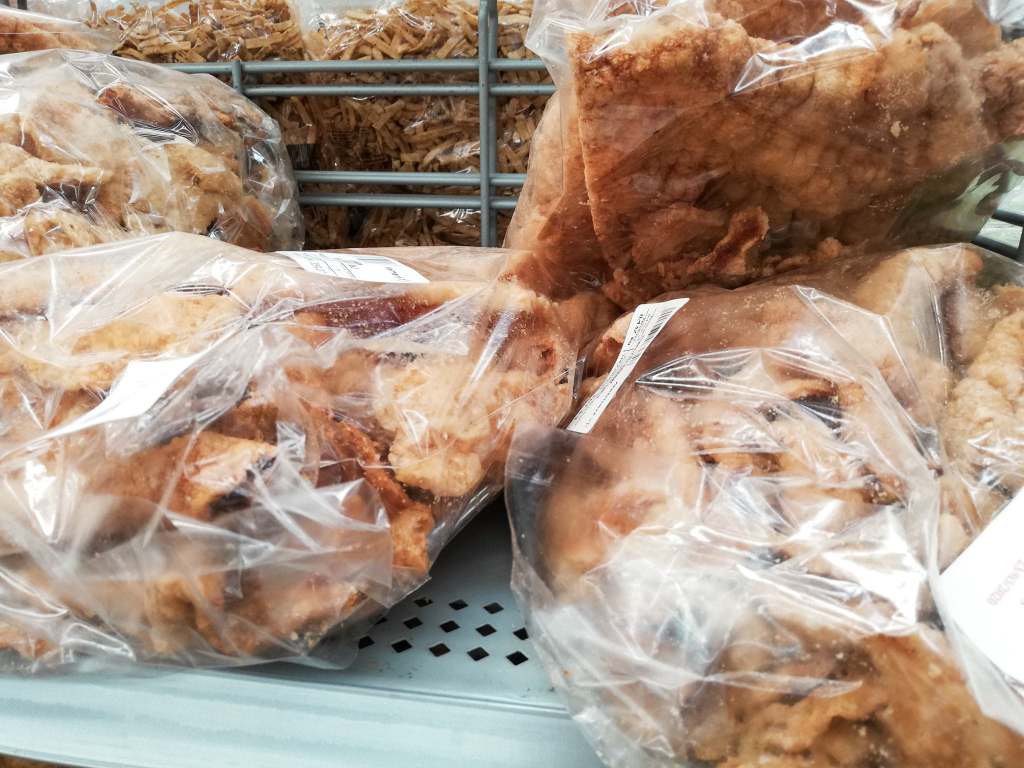
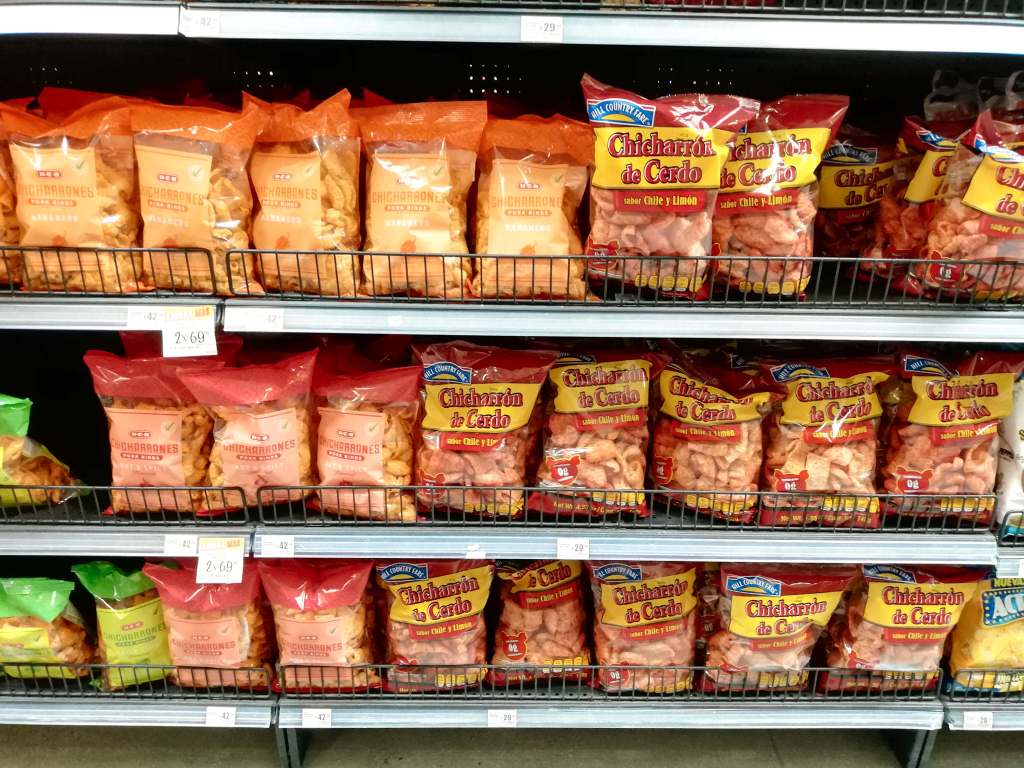
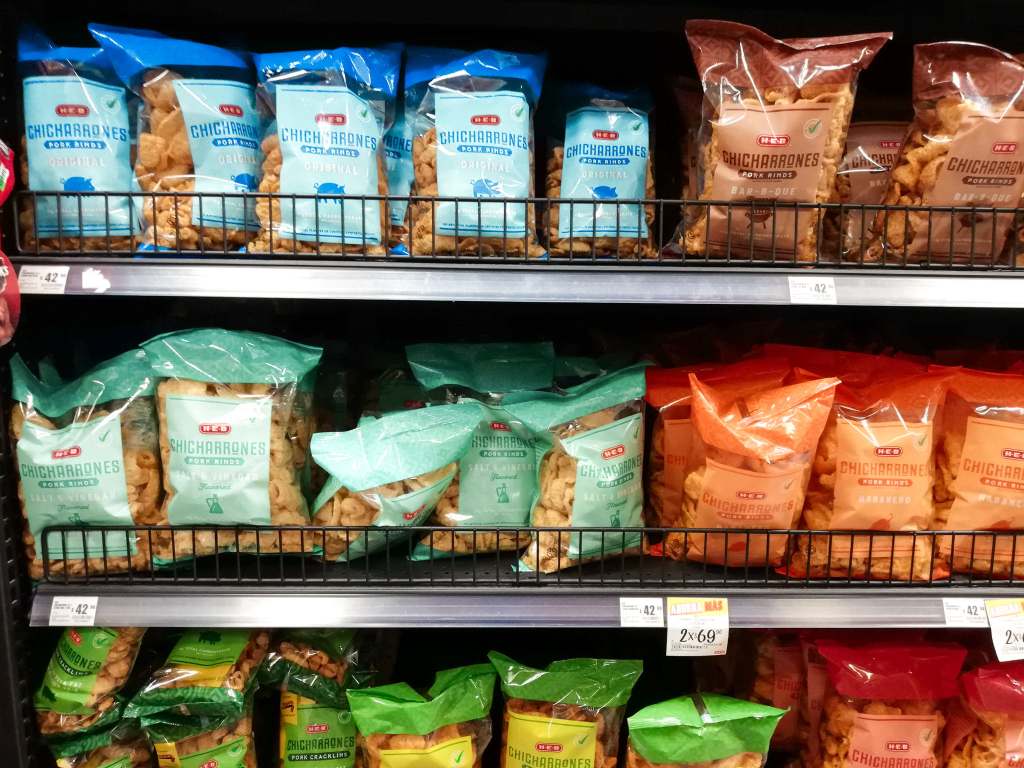
Chicharrones are crunchy, fluffy pork rinds. Mexicans eat chicharrones as a snack. They can be bought in a bag of one kilo which cost around 142 pesos, which equals to 6,5 euros. In grocery stores they are also sold in smaller bags with different flavors, for example, chicharrones with a taste of chili and lime (very Mexican combination).

Pork rind in a one kilo bag
Chicharonnes
Chicharrones with different flavors
Chicharrones with more flavors

LIME

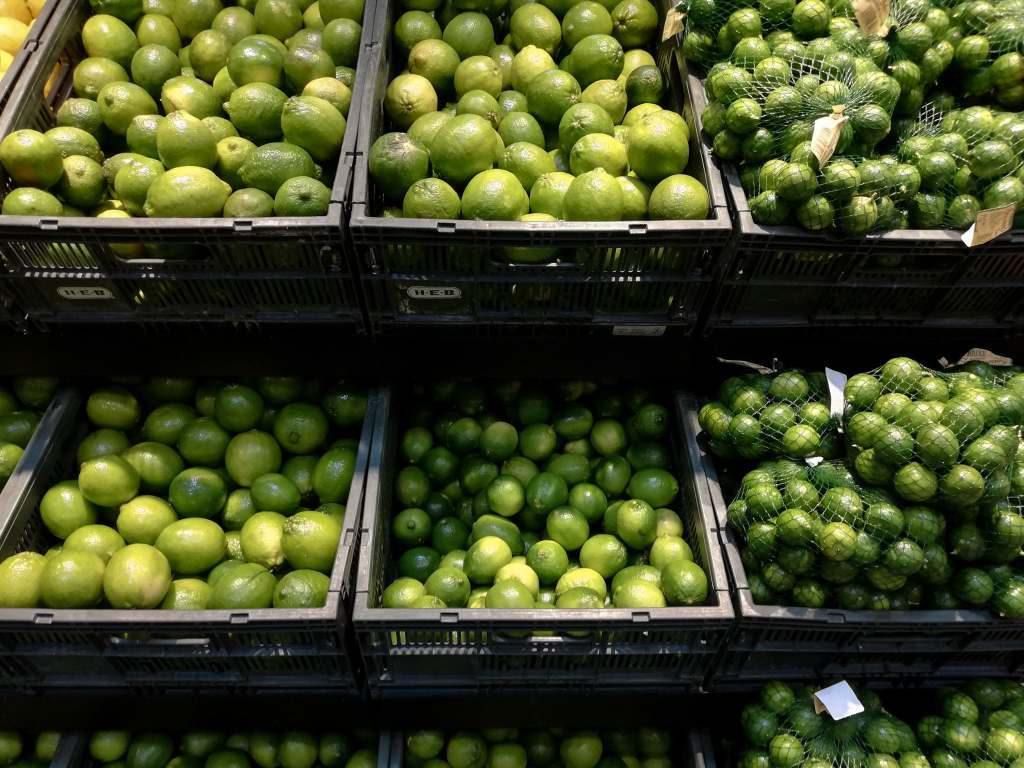
In the grocery store in Mexico, there can be found large shelves of limes. Lime is a very common ingredient in Mexican dishes. It is usually squeezed on top of the dish, for example on tacos but also on many other dishes. In restaurants, limes are often ready on the table, so they can be squeezed on the food you eat. Another common way to use lime is to make lime water. For that, you only need water and lime (squeezed in the water) and if you want the lime water less sour, sugar can be added.

Limes at the grocery store

These were some of the products and ingredients that mostly took my attention while walking in a grocery store in Mexico. I would like to know if you have these ingredients in your home countries or were these new to you too? Also, what are your country’s special products? Please write your thoughts down on the comment box, I cannot wait to hear them!

Love, Emilia