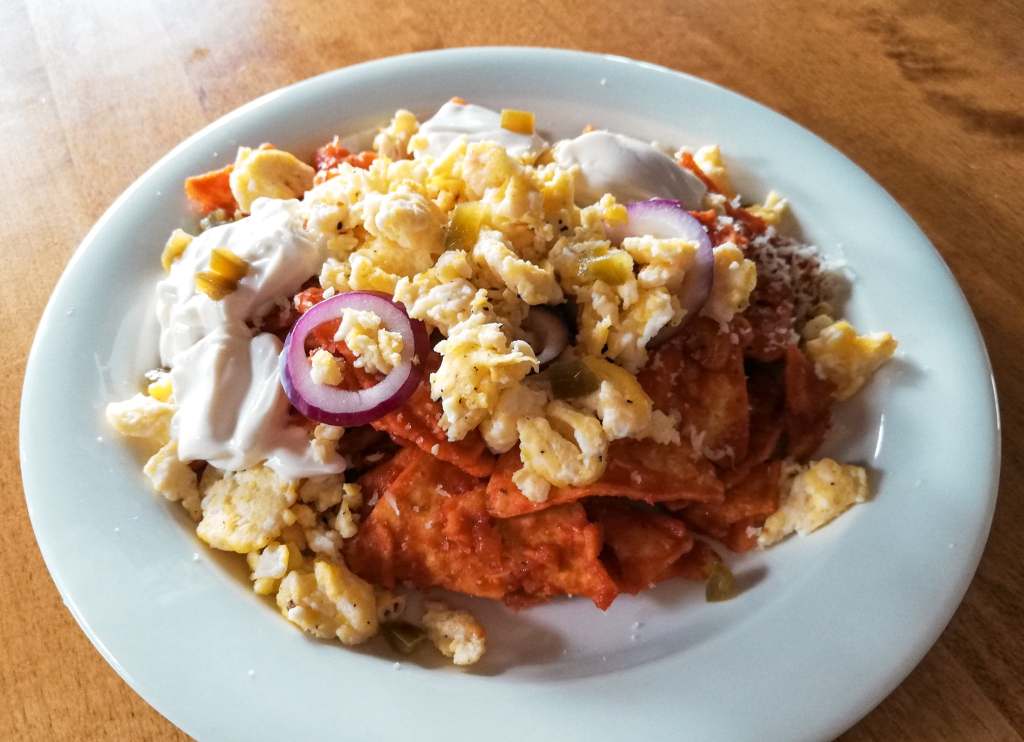
Chilaquiles is a traditional Mexican breakfast dish. It’s made with corn tortillas that are cut into triangles and lightly fried. Chilaquiles can be made either with a green or red sauce that is poured on top of the crispy tortilla triangles. In Mexico it’s very common to eat chilaquiles for breakfast or brunch, either made by yourself or ordered in a restaurant. Chilaquiles are commonly garnished with cream cheese, grated cheese, onion rings, jalapeño and avocado slices. It can be served with eggs (scrambled or fried), pulled chicken or beef.
Chilaquiles is my favorite Mexican breakfast. When going out for breakfast, I mainly order chilaquiles. It’s a very filling and tasty dish. I thought chilaquiles would be difficult to make but when my host family showed me how to make it, I was surprised that it’s very quick and easy. When making the chilaquiles by yourself, you can skip one step by buying ready crisp corn chips from the store, instead of cutting the corn tortillas into triangles and frying them. That saves a lot of time and makes the preparation much quicker. The recipe I’m sharing with you, is chilaquiles with the red sauce. I made a very simple version of the dish so you can add the toppings of your choice.
Recipe (serves 2 persons)
2 tbls olive oil 1/2 onion 1 can of tomato paste (or half can of tomato paste with chili and half can of normal tomato paste, if you want it spicier) 100 ml cream half a bag of corn chips (or as much as you can fit on your pan) salt pepper
Toppings of your choice (e.g. scrambled or fried eggs, pulled chicken or beef, cream cheese, grated cheese, onion rings, jalapeño and/or avocado)
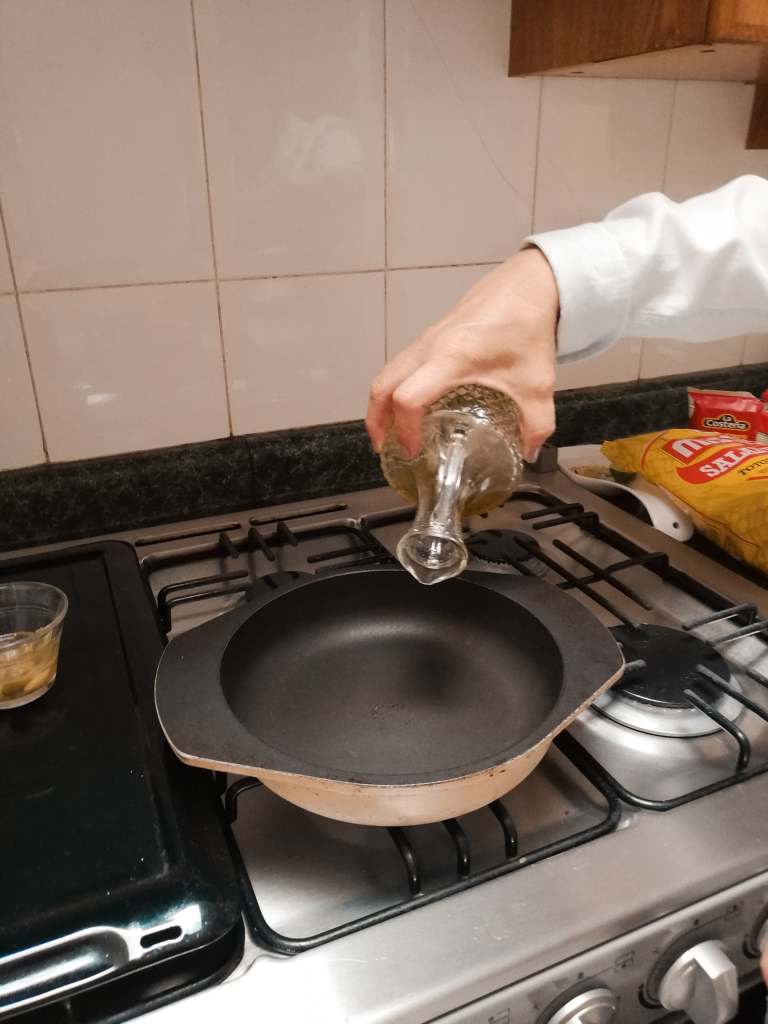
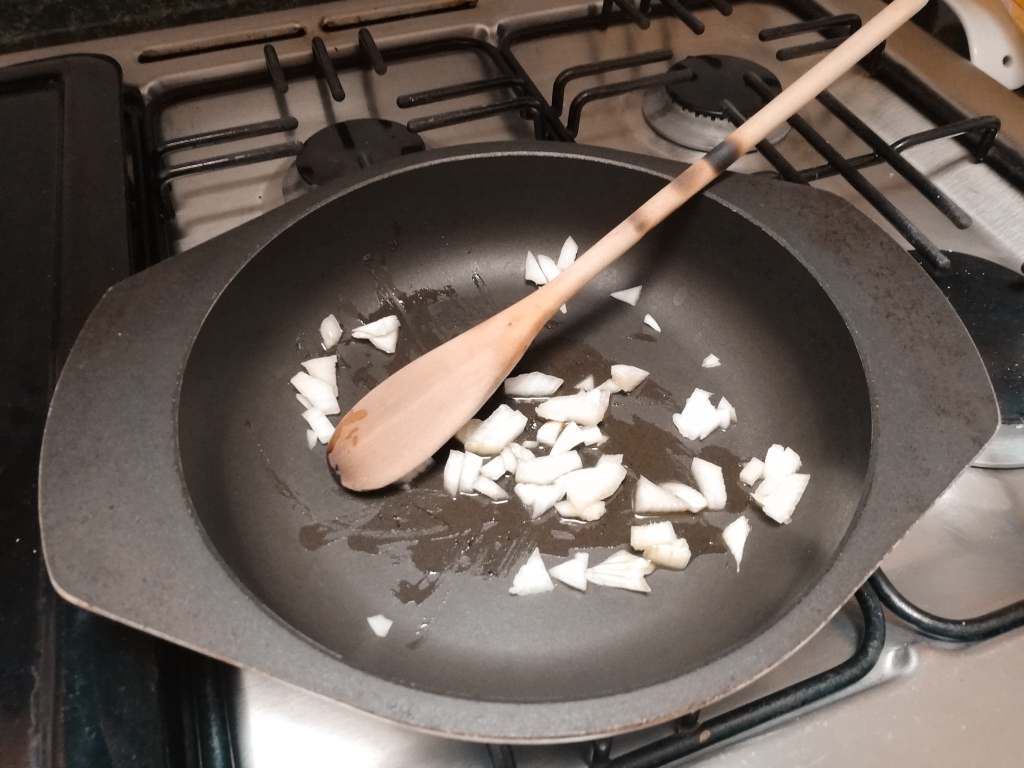
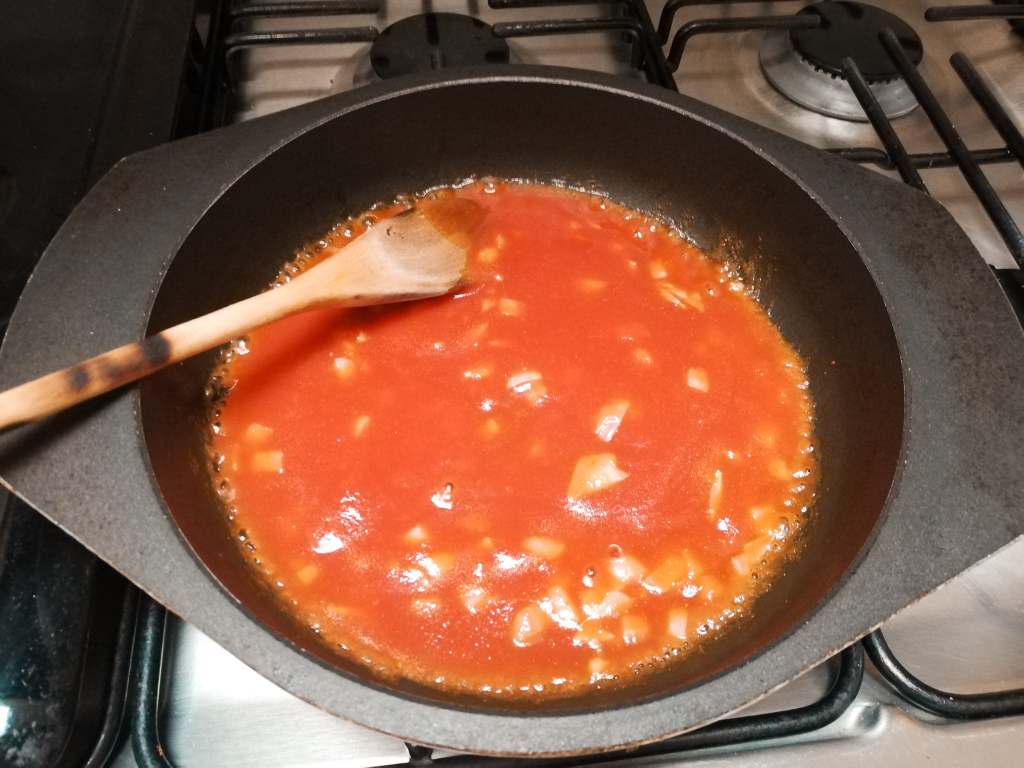
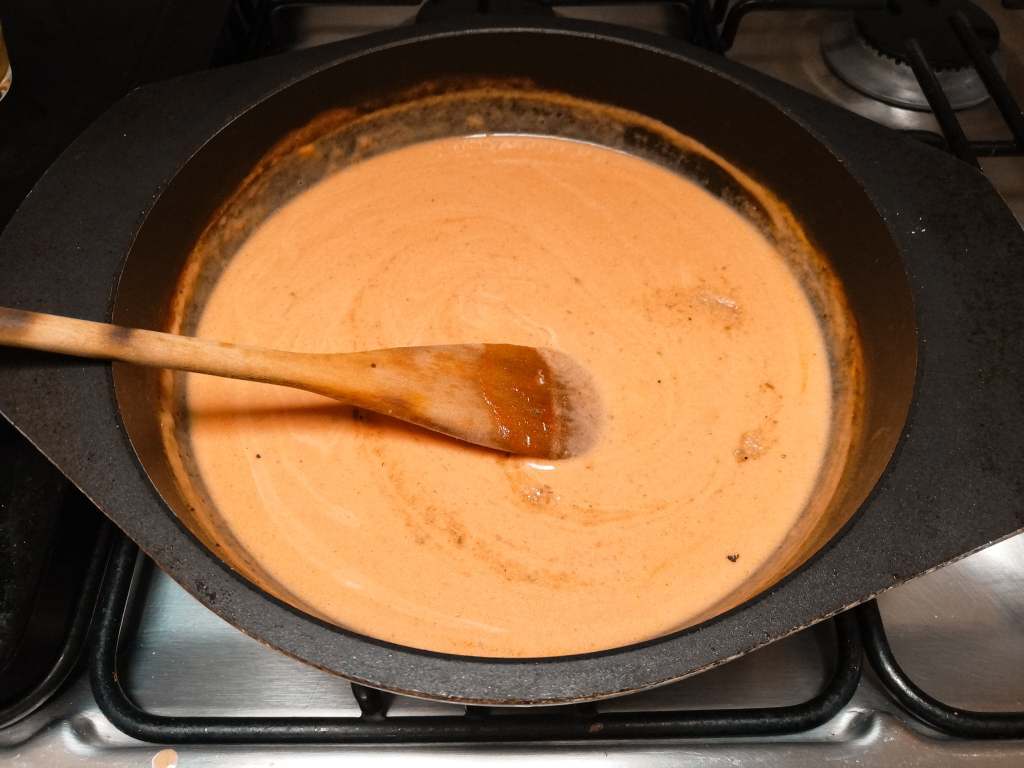
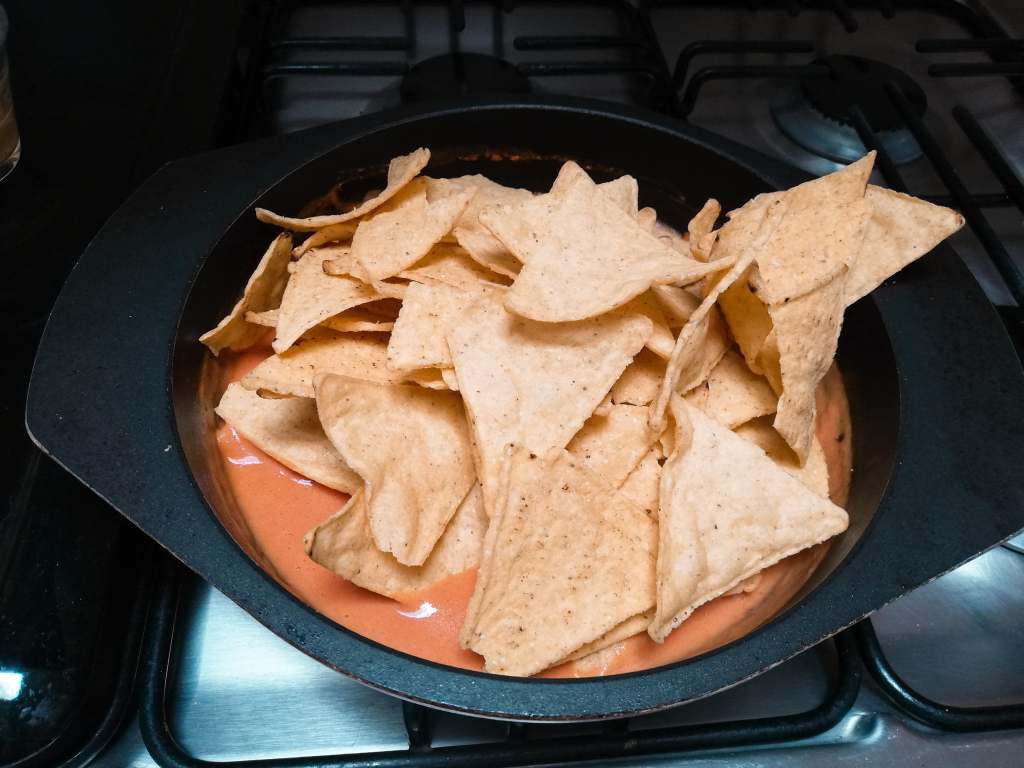
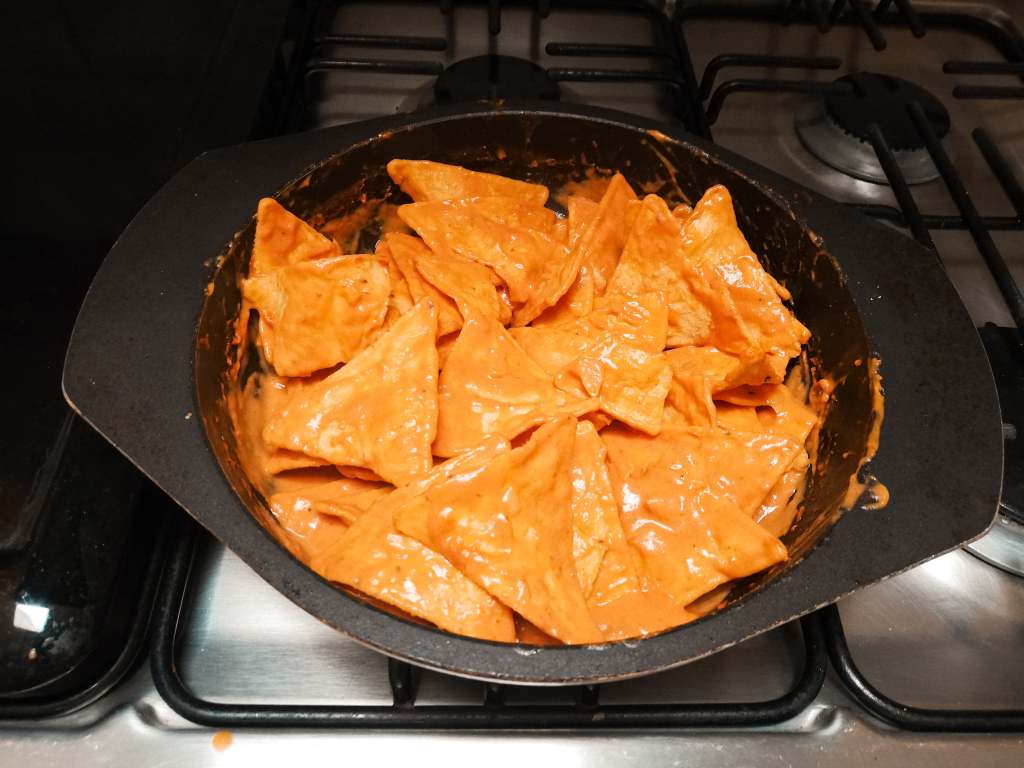
1. Put some oil on a pan.2. Cut the onion into little pieces and add them on the pan. Fry the onions a little bit.3. Add the tomato sauce to the pan. Let it boil.4. Add the cream and mix all together. Season the sauce with salt and pepper.5. When the sauce is ready, add the corn chips into the sauce.6. Mix the sauce with the corn chips so that all the chips are covered in the sauce. 7. Add the toppings you want . I put scrambled eggs, grated cheese, cream cheese, jalapeños and onion rings.
Enjoy this easy and delicious breakfast! Which one do you prefer, chilaquiles rojos (red) or chilaquiles verdes (green)? If you never tried chilaquiles before, let me know if you are interested to try it with this recipe. If you have any questions about the recipe, let me know! I hope you have a wonderful time making chilaquiles!
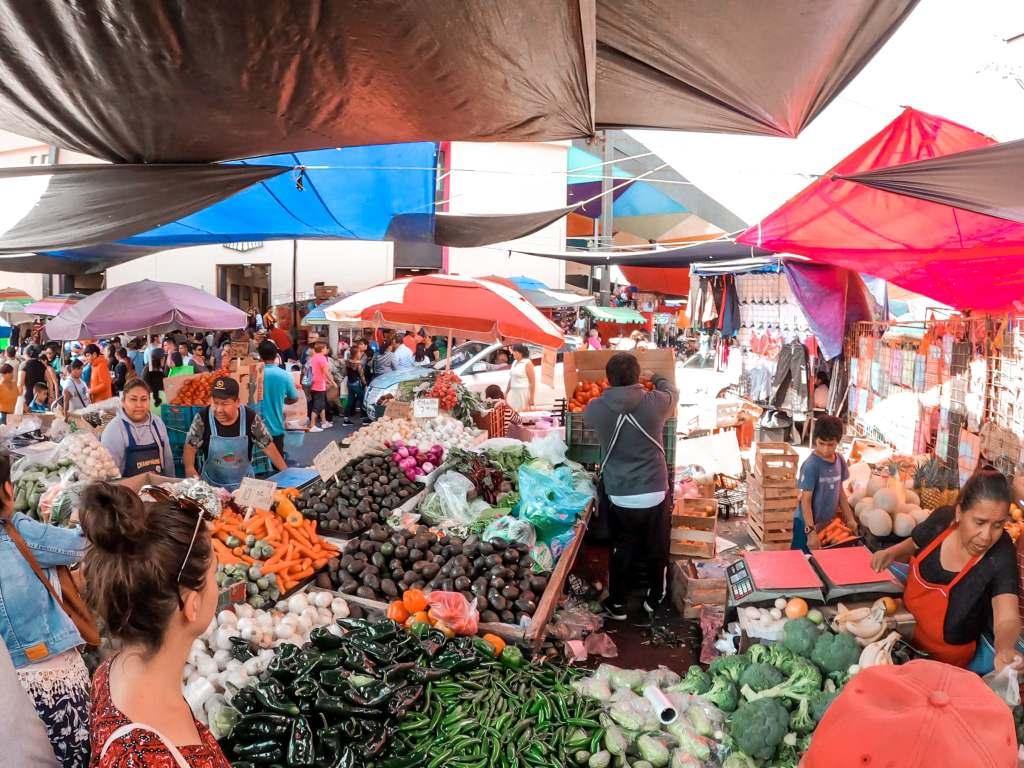
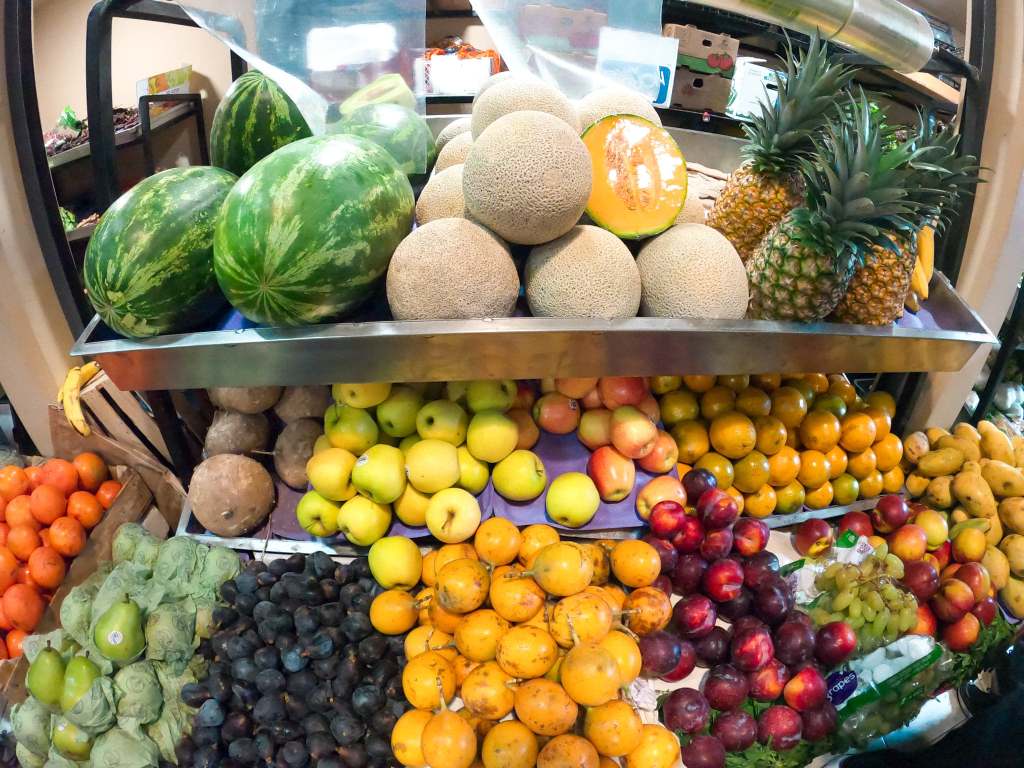
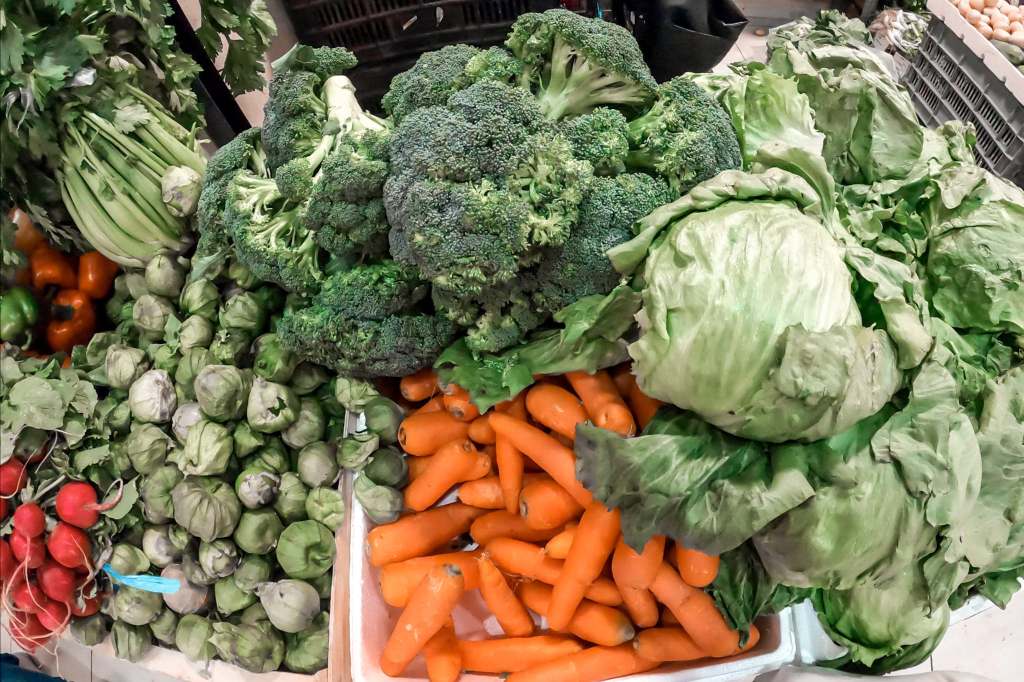
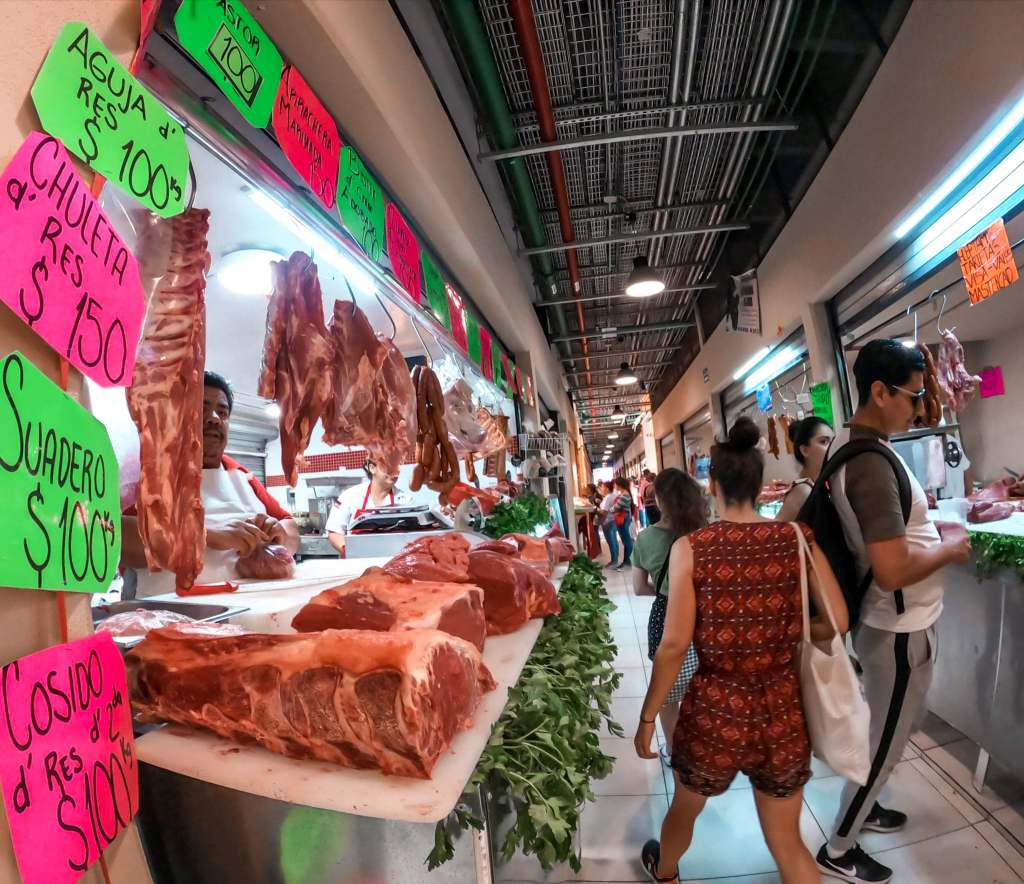
Markets in Mexico have a huge impact on the Mexican food culture. That’s the place where local farmers sell their products and earn their income. For Mexicans, a popular thing to do on Sundays is to go to a market. Sunday is a family day for most families. They go to a market, buy fresh veggies, fruits and meat from the local farmers for the whole week. Depending on the time of the day the families go to the market, they’ll often have either breakfast or lunch there after buying the food. This is a way for them to enjoy some family time together.
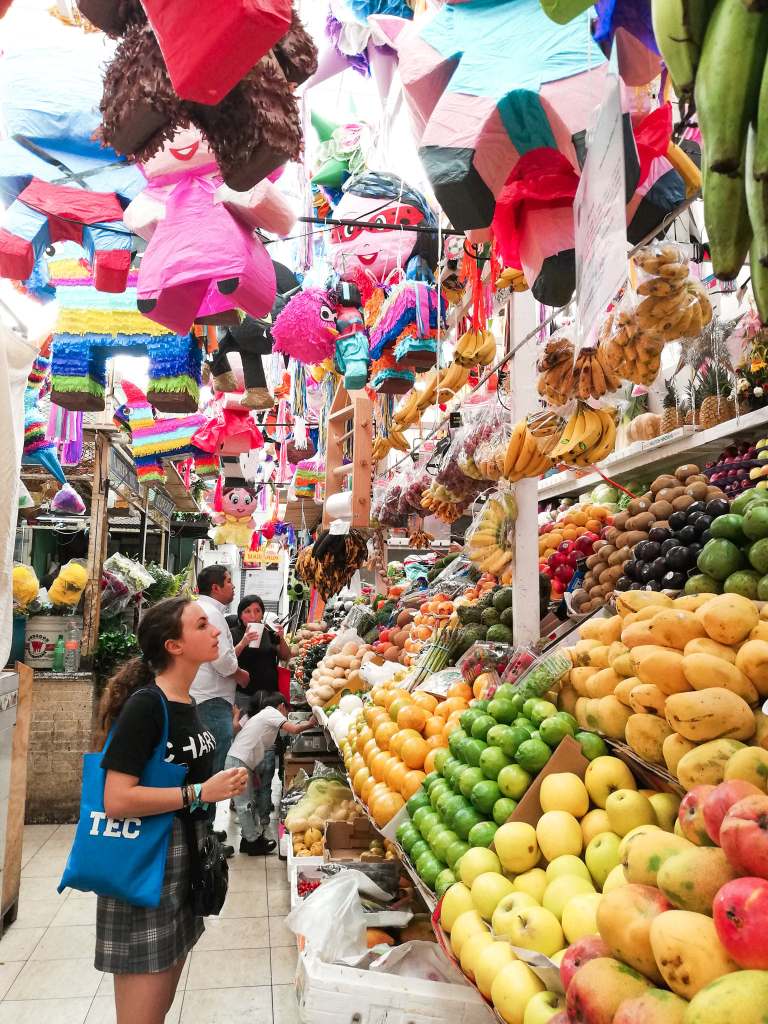
Mercado Benito Juárez, Querétaro
Usually, the food markets have two different areas; outside area and inside area. The inside area is like a big hall full of little stands where they sell veggies, fruits and meat. Also often in the indoor halls, piñatas are hanging from the roof. So while walking inside the market hall and looking up, you will see many different colorful creatures hanging down on the roof. In the Mexican culture, piñatas are a tradition for kids’ birthday parties. During a birthday party, piñata full of candies will be hung on a tree outside in the garden, or inside the house on the roof and the birthday boy/girl will be smashing the piñata blindfolded. After the piñata breaks, all the candies will fall on the ground and the kids will race each other to get the most candies to themselves.
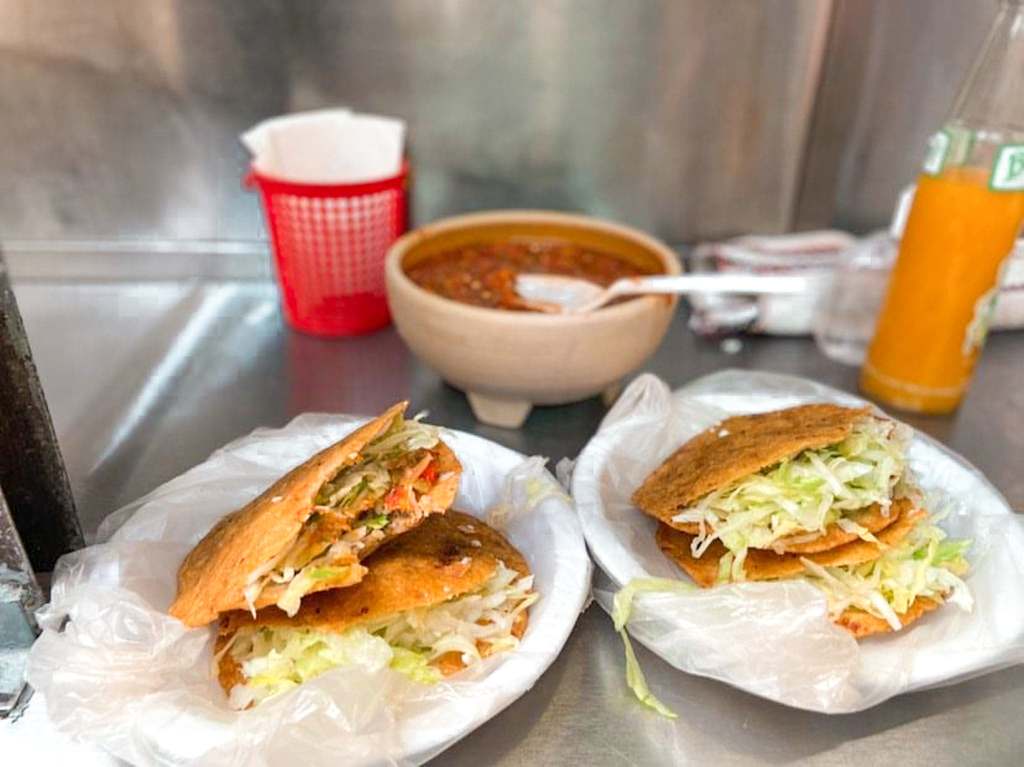
In the outside area, there are many food stands. For example, you can buy gorditas at the market. Gorditas are small thick tortillas, which are cut and filled inside. They are delicious, so be sure to try them out when visiting a food market in Mexico.
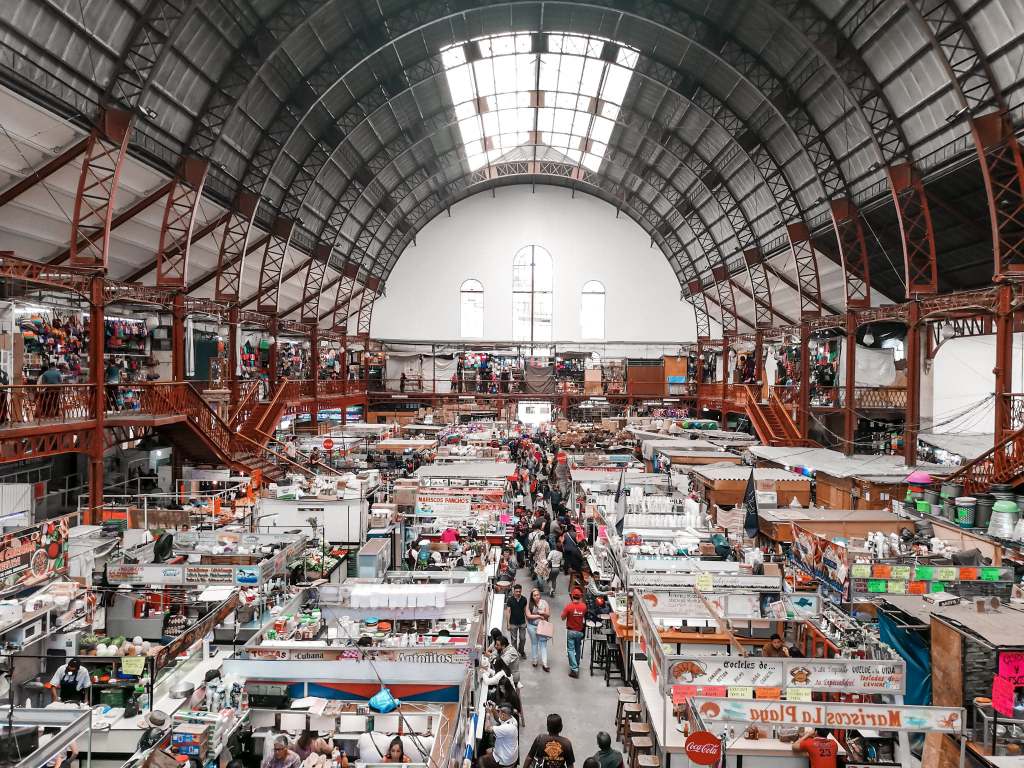
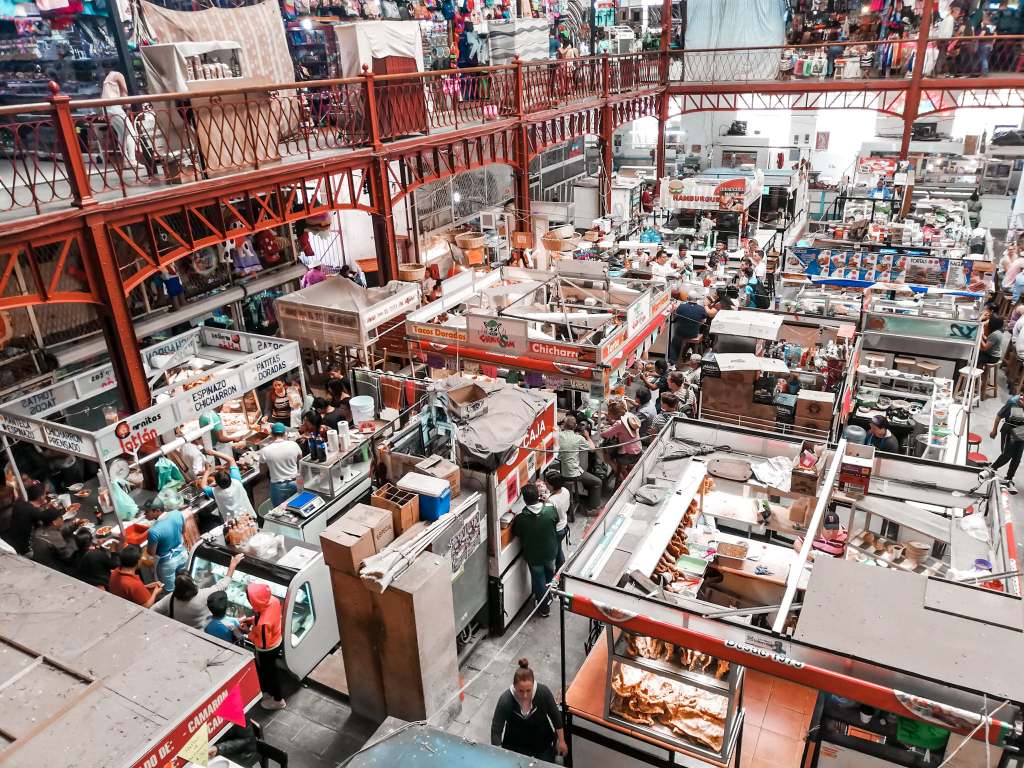
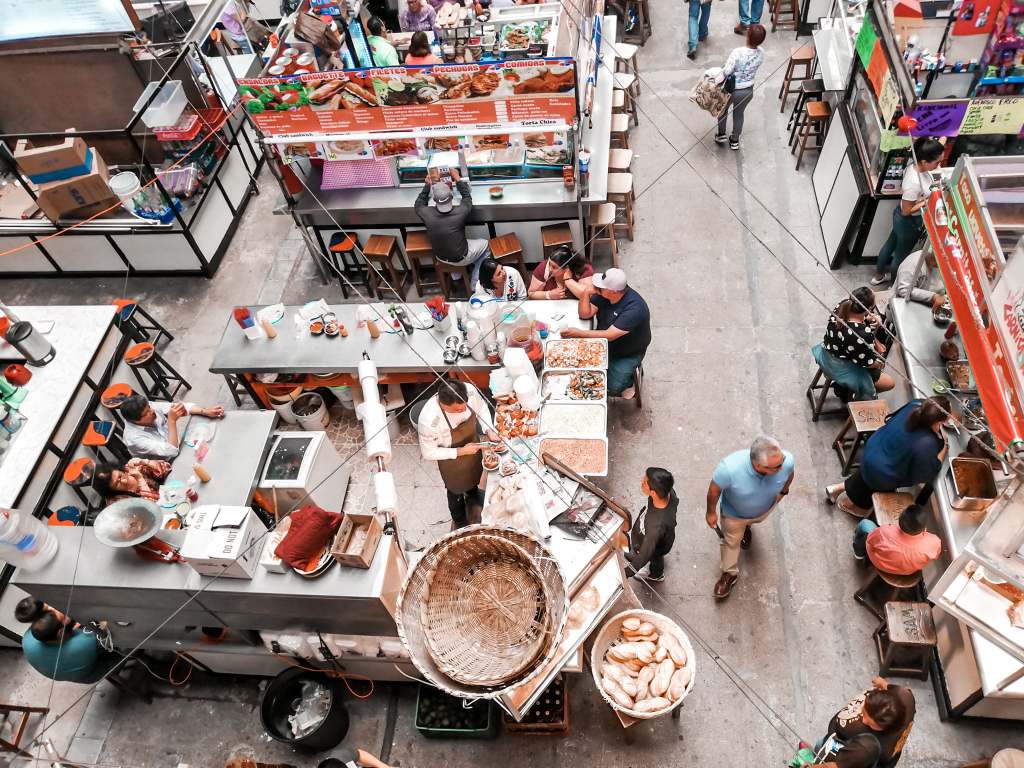
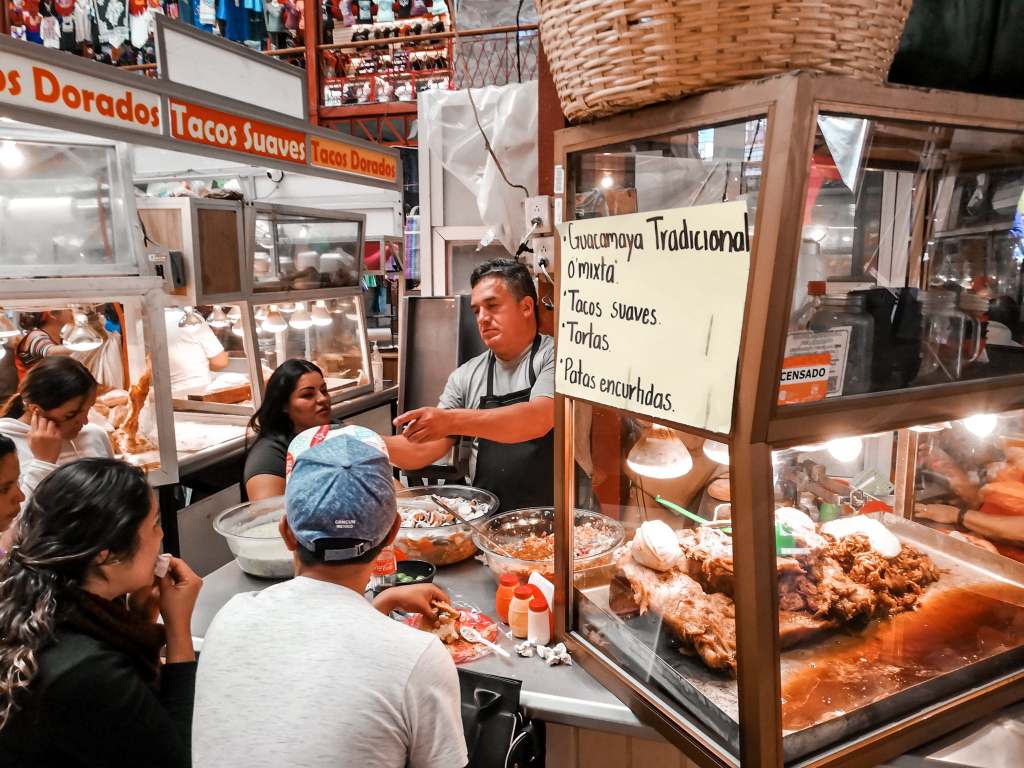
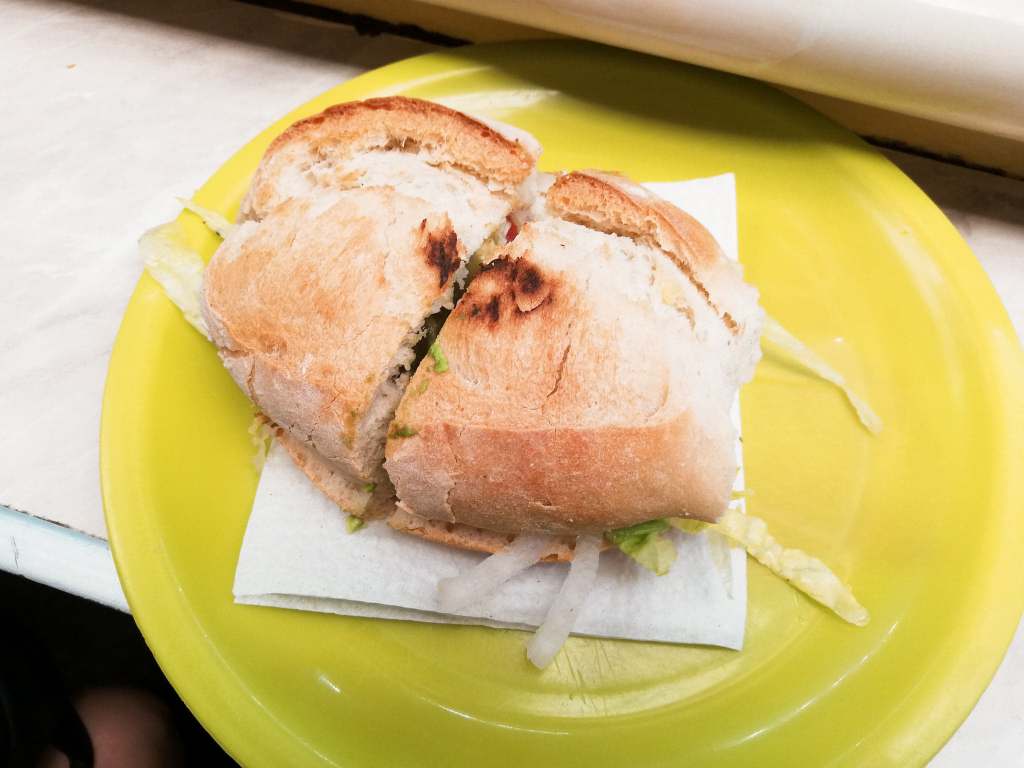
One thing that really jumped into my mind about the markets, is hygiene. Being used to the hygienic standards in my home country, Finland, Mexico is not even close to them. All the food are prepared openly. The market I visited in Guanajuato, was in two floors; the main floor downstairs with all the food stands and a second floor with souvenir stands “around the food stands”. But as the second floor was around the food stands, and the food stands were without any roof on top of them, anyone could throw or drop something from upstairs to the food. Even though people are probably not doing so (at least I hope), it still made me feel a bit uncomfortable eating there. I felt like I wanted to eat something “safe” and I found a food stand that had some cover on top of the food, so I ended up eating there and having a torta. I’m also not sure how they take care of their hand hygiene, as the stands don’t seem to have water taps where they could wash their hands. If there are any Mexican readers, lighten me up in the comment box, please.
Mercado Hidalgo, Guanajuato
Torta filled with onions, lettuce, avocado and tomatoes
I’ve only visited few food markets in Querétaro and Guanajuato which are probably nothing compared to the ones in e.g. Mexico City. But the ones I visited were all a bit different from each other. And by that I mean, the one in Querétaro had the piñatas hanging on the top and the other one in Querétaro didn’t and was more of a “Sunday market” type. The streets close to the main market hall were also full of people selling fruits and veggies but also other things, like dishes, plants and street food. The market in Guanajuato (the big, open hall in the photos) was more full of street food stands than fruit and veggies, but also had a few stands of selling those.
In my opinion, it’s very interesting to see food markets in different cities or areas. Markets in different parts of the country have different food specialties. Gorditas are the speciality in Querétaro region. Unfortunately, I wasn’t able to explore more this time, because of the whole situation in the world. But I hope to visit many more food markets in Mexico soon. I’m eager to learn more about the culture around it and taste the different specialties.
Let me know in the comments what are your thought about Mexican food markets, and what you found interesting in this article.

 A Taste of Mexico